Most pipes carry something important. Water to a hospital, heating to a school, chilled water to a server room, fuel to a factory. If you need to add a new connection to one of those pipes, the old way meant switching everything off, draining the pipe, doing the work, then filling it back up and starting again. That can take days and cost thousands of pounds.
Hot tapping is the way around that problem. This guide explains what it is, how the process works step by step, which pipes it suits, and how it compares with the other options.
What is hot tapping?
Hot tapping is a way of cutting a new connection into a pipe while it is still full, under pressure and in use. It is also called pressure tapping or under pressure drilling. A sealed fitting and valve go on the outside of the pipe first, and the cutting happens behind that valve, so nothing leaks and the flow never stops.
Despite the name, “hot” has nothing to do with temperature. It means the pipe is “live”, in the same way people talk about a live electrical wire.
A simple way to picture it: imagine fitting a new tap to a full water barrel without emptying it first. You seal the area, cut through behind that seal, then add the tap. The barrel stays full the whole time.
If you need this done on a real system, our hot tapping services page explains what we offer and how to get a quote.
Why would you need hot tapping?
Without hot tapping, adding a connection to an existing pipe usually means:
- Switching the system off
- Draining everything out of the pipe
- Cutting the pipe open
- Fitting the new connection
- Refilling the system
- Starting it all up again and checking it works
For a home, that might be a nuisance. For a hospital, a factory, a data centre or a busy office, even a few hours without water, heating or cooling can cause serious problems. Production stops, staff cannot work, and in some buildings it simply is not safe to turn things off.
Hot tapping avoids all of that. The main benefits are:
- No downtime. The system keeps running while the work is done.
- Lower costs. There is no lost production and no need to drain and refill the system.
- Less waste. Nothing is drained away, which matters even more when the contents are expensive or hazardous.
- Faster jobs. The cut itself often takes hours, not days, because there is no waiting for a system to empty or refill.
- Flexibility. New branches, valves, meters and monitoring points can go exactly where they are needed.
How the hot tapping process works, step by step
Every job is different, but the hot tapping procedure always follows the same four main stages.
Step 1: Plan the job
Before any tools come out, engineers find out everything they can about the pipe. They check:
- What the pipe is made of (steel, iron, copper, plastic and so on)
- What is flowing through it (water, gas, oil, chemicals or steam)
- The pressure and temperature inside the pipe
- How thick the pipe wall is and what condition it is in
- Exactly where the new connection needs to go
This tells the team whether the job is safe to do and which fittings, valves and cutters to use. A risk assessment and method statement are written, and any permits are agreed before work starts.
Step 2: Set up the fitting and valve
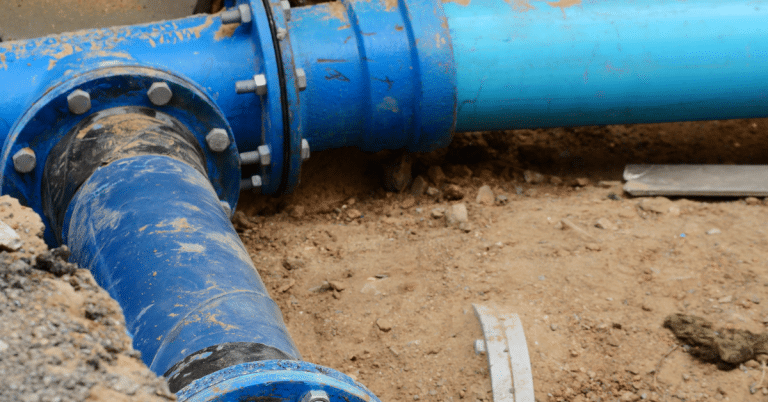
Next, a fitting is attached to the outside of the live pipe. This is usually a tapping saddle or split tee, which is either clamped or welded on. It gives the new connection a strong, sealed base and helps support the pipe around the cut.
A valve is then bolted on top of the fitting. This valve is the key to the whole job. It acts like a gate between the live pipe and the outside world.
Before any cutting begins, the fitting and valve are pressure tested to make sure they are sealed properly.
Step 3: Cut into the pipe
The hot tapping machine is mounted on top of the open valve. It is sealed, so the pipe, valve and machine now form one closed chamber.
The machine then drills into the pipe in two stages:
- A small pilot drill goes in first and makes a guide hole.
- A larger cutter follows the pilot drill and cuts a clean, round hole through the pipe wall.
The disc of pipe that is cut out is called the coupon. The pilot drill has a small catch that holds on to it, so the coupon is pulled back out with the cutter and does not fall into the line. All the way through, engineers watch the pressure and temperature to make sure everything stays within safe limits.
Step 4: Finish and connect
Once the cutter and coupon are pulled back past the valve, the valve is closed. The machine can then be taken off safely, because the closed valve is now holding back the pressure.
The new pipework, meter or branch line is connected to the valve. When everything is in place and checked, the valve is opened and the new connection comes into use. The valve normally stays on the pipe for good, so the new branch can be shut off later if needed.
The kit used in hot tapping
A hot tap uses a small set of specialist tools: the tapping saddle or fitting, the valve, the hot tapping machine, the pilot drill and cutter, and pressure gauges to keep an eye on things. Each part has to be rated for the pressure and temperature of the pipe it is working on.
We have written a separate guide that looks inside the hot tapping machine and explains what each part does.
Which pipes can be hot tapped?
Hot tapping works on most pipes found in UK buildings and networks, including:
- Stainless steel and carbon steel
- Ductile iron and cast iron
- Copper
- MDPE, PVC and other plastics
- Concrete and asbestos cement
- GRP and GRE (glass reinforced plastic and glass reinforced epoxy)
It can be used on small pipes in buildings and on large mains and pipelines, and on contents such as clean water, wastewater, heating and chilled water, gas, oil, steam and compressed air.
That said, not every pipe can be hot tapped. The two big things engineers check are:
- Wall thickness. The wall has to be thick and sound enough to take the fitting and the cut. Our guide to minimum wall thickness for hot tapping explains why this matters.
- Branch size. Sometimes the new branch needs to be the same size as the main pipe. Find out more in can you do a size on size hot tap?
Where hot tapping is used
Hot tapping is useful anywhere a shutdown would be costly, unsafe or simply not allowed. Common examples include:
- Water mains and wastewater. Adding new service connections, meters, hydrants or sampling points without cutting off supply to homes and businesses.
- Heating and chilled water systems. Extending heating or cooling in offices, schools, hotels and shopping centres without shutting the building down.
- Hospitals and care homes. Upgrading water and heating systems where a shutdown could put patients at risk.
- Data centres. Adding to cooling pipework without putting servers at risk of overheating.
- Gas and fuel lines. Adding branches, meters and monitoring points on live lines.
- Food and drink, chemical and industrial sites. Connecting new equipment or adding bypasses while production carries on.
- Emergency repairs. Fitting new valves or bypasses quickly so a damaged section can be dealt with.
How hot tapping is kept safe
Cutting into a live, pressurised pipe sounds risky, and it would be if it were done carelessly. That is why hot tapping is done by trained engineers following a strict process.
In the UK, the key rules for pipes and equipment that hold pressure are the Pressure Systems Safety Regulations 2000, which are enforced by the Health and Safety Executive. The HSE explains these duties on its pressure systems guidance pages. Larger pipelines also fall under the Pipelines Safety Regulations 1996.
On a well run job, safety comes from several layers working together:
- Planning. A full survey, risk assessment and method statement before work starts.
- Permits. A permit to work agreed with the site, so everyone knows what is happening and when.
- The right kit. Fittings, valves and machines rated for the pipe’s pressure and temperature, and checked before use.
- Testing. The fitting and valve are pressure tested before any cutting begins, and the new connection is tested again at the end. Our guide to pressure testing after hot tapping covers this in more detail.
- Monitoring. Pressure and temperature are watched throughout the cut.
- People. Trained, experienced engineers wearing the right protective clothing, with emergency plans in place.
Hot tapping vs other methods
Hot tapping is not the only way to work on a live system. The right method depends on what you need to do, what is in the pipe and how big it is. Here is a quick comparison.
| Method | What it does | System keeps running? | Best for |
|---|---|---|---|
| Hot tapping | Cuts a new, permanent connection into a live, pressurised pipe | Yes | Adding branches, valves, meters or monitoring points |
| Cold tapping | Makes a connection without welding or heat on the pipe | Depends on the job | Pipes or sites where welding is not allowed |
| Line stopping | Uses a hot tap to put a temporary plug inside the pipe, blocking one section | Yes, the rest of the system | Repairs, valve work or diversions on a section of pipe |
| Pipe freezing | Freezes the liquid inside the pipe to form a temporary ice plug | Yes, the rest of the system | Smaller pipes carrying water or other liquids that freeze |
| Full shutdown | Turns the system off and drains the pipe | No | Small, simple systems where downtime does not matter |
Hot tapping and line stopping often work together. The hot tap creates a way in, and the line stop uses that opening to block off a section while repairs are made. For a closer look at each comparison, read our guides on the difference between hot tapping and cold tapping and hot tapping vs line stopping. We also offer pipe freezing for jobs where that is the better fit.
Frequently asked questions
How long does hot tapping take?
The cut itself often takes a few hours. The whole job, including the survey, fitting the saddle and valve, testing and connecting the new pipework, can take anything from a day to a few days, depending on the size of the pipe and how complex the site is.
Can all pipes be hot tapped?
No. Most common pipe materials can be hot tapped, but the pipe must be in good condition with a wall thick enough to take the fitting and the cut. Engineers check this during the survey before agreeing to go ahead.
Does hot tapping weaken the pipe?
Not when it is done properly. The saddle or fitting supports the pipe around the new opening, and the wall thickness is checked first to make sure the pipe can take it. After the job, the pipe should carry on working as normal for the rest of its life.
Is hot tapping cheaper than a shutdown?
In most cases, yes. A shutdown means lost production, extra labour to drain, refill and restart the system, and sometimes temporary supplies or bypasses. For a large site, a single day of shutdown can cost more than the whole hot tapping job.
What qualifications do hot tapping engineers need?
Engineers should be fully trained in hot tapping and in working on pressure systems, and the company should hold the right health and safety accreditations and insurance. Our guide to hot tapping contractors and the certifications to look for explains what to ask for before you hire anyone.
Does hot tapping affect the flow in the pipe?
No, not in any way you would notice. The pipe stays full and keeps flowing throughout the job. Once the new branch is opened, some of the flow will go down it, which is the whole point of adding the connection.
Need a hot tap?
RDS Pipeline Isolation has more than 20 years of experience carrying out hot tapping, line stopping and pipe freezing for domestic, commercial and industrial clients across the UK. Every job starts with a site survey, so we can tell you whether hot tapping is right for your pipe before any work begins.
To find out more, visit our hot tapping services page, call us on 01277 500510, or get in touch with our team.