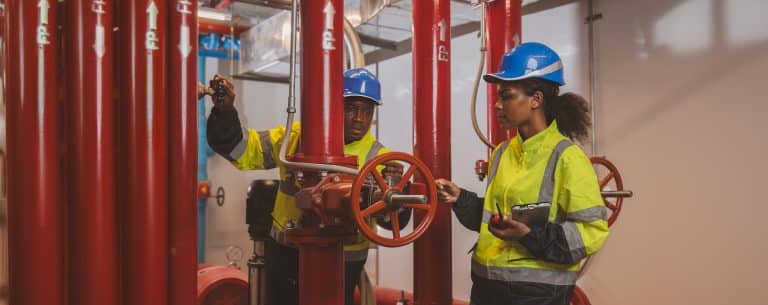
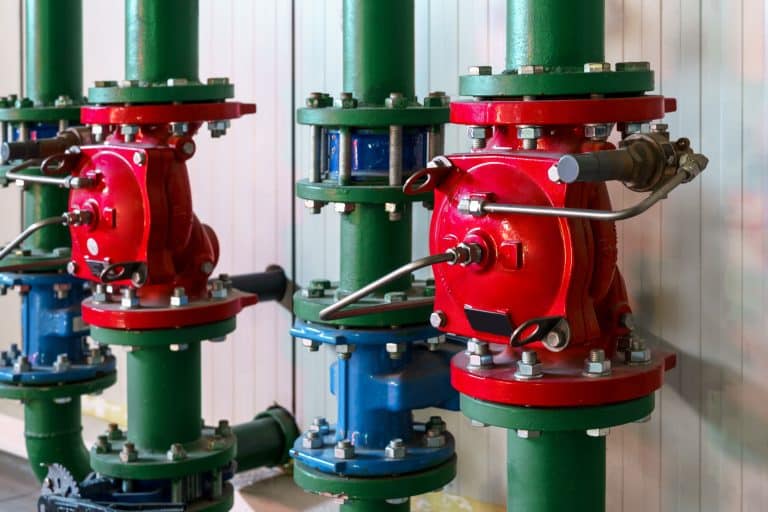
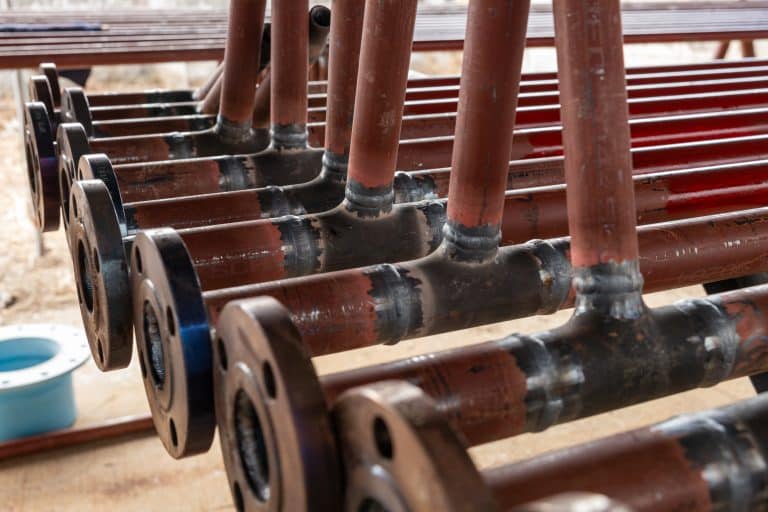
Airports and fuel depots cannot afford to stop the flow of fuel, even for a few hours. Planes need refuelling around the clock, and depots are constantly sending fuel out to garages, airfields and other sites. So what happens when a pipe carrying that fuel needs a new connection, a repair, or an upgrade? This is where tapping pipeline work comes in, and it is a job that has to be done without switching anything off.
Why Fuel Sites Cannot Just Turn Off the Taps
On an ordinary pipeline, if you need to make a change, you can often shut the system down, drain it, do the work, then start it back up again. At an airport or fuel depot, that is not really an option. Shutting off fuel supply could mean grounded flights, delayed deliveries, and a knock-on effect that reaches far beyond the site itself.
That is why hot tapping is so useful in these settings. It lets engineers add a new connection, fit monitoring equipment, or carry out other pipework changes while fuel keeps flowing through the pipe. Nothing needs to be drained, and nothing needs to stop.
Extra Safety Steps When Fuel Is Involved
Working on any live pipeline calls for careful planning, but fuel pipework raises the stakes. Fuel is flammable, so every step of the job has to be planned to avoid any risk of a spark, a leak, or a build-up of vapour.
Some of the extra precautions used on fuel sites include:
| Safety step | Why it matters |
|---|---|
| Full site risk assessment before any drilling starts | Identifies hazards specific to the fuel type, pipe pressure and surrounding equipment |
| Use of spark-free, purpose-built tapping equipment | Reduces the chance of ignition near flammable vapour |
| Continuous monitoring for fuel vapour during the work | Allows the team to stop immediately if levels become unsafe |
| Close coordination with airport or depot operations staff | Keeps flights, tankers and deliveries running safely around the work area |
| Strict adherence to site permit-to-work systems | Confirms every step has been checked and signed off before work begins |
This kind of pipework often falls under petrochemical pipework services, where high-pressure, high-temperature and highly flammable materials all need to be handled with specialist knowledge and equipment.
Keeping Flights and Deliveries on Schedule
The whole point of tapping pipeline work at a fuel site is to make sure nobody notices it happened, at least not from an operational point of view. Flights still take off. Tankers still load and unload. Fuel keeps moving through the network exactly as it should.
This matters because fuel depots and airports run on tight schedules, and even a short stoppage can cause delays that ripple out across a whole network. By keeping the pipeline live throughout the work, tapping avoids the cost and disruption of a full shutdown, while still allowing essential mechanical pipework changes, additions and repairs to go ahead.
Why This Work Needs the Right Team
Fuel pipework at airports and depots is not the place for guesswork. It calls for engineers who understand fuel handling, pressure systems, and the strict safety rules that apply to sites like these. In the UK, sites that store large quantities of fuel are covered by rules such as the Control of Major Accident Hazards Regulations, which set out how dangerous substances must be stored and managed safely. You can read more about how these rules work on the Health and Safety Executive website.
If you manage pipework at an airport, fuel depot, or similar site and need work carried out without stopping fuel flow, get in touch with our team to talk through your project.