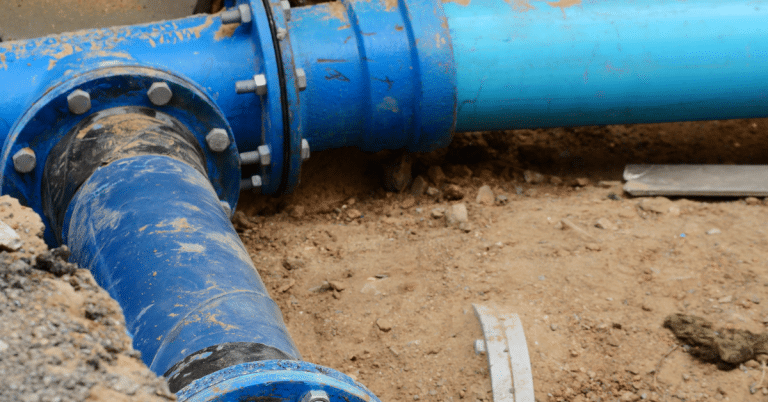
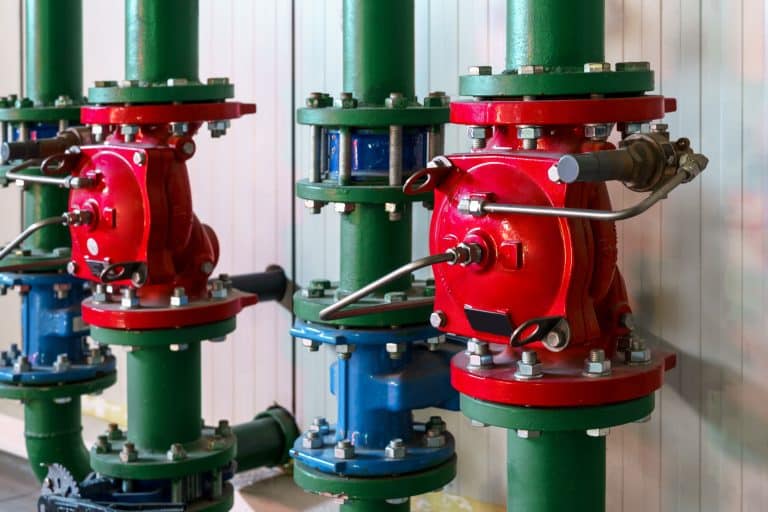
A data centre is basically a huge room full of servers, and servers get hot. Very hot. To stop them from overheating and shutting down, data centres run cooling systems that work non-stop, twenty-four hours a day, every day of the year. That is what makes pipework in a data centre so tricky. You cannot just turn the cooling off to fit a new pipe, add a valve, or carry out a repair, because even a short break in cooling can put the servers at risk.
This is exactly the kind of problem commercial hot tapping was built to solve. It lets engineers add a new connection into a pipe that is still full of water and still running, without switching anything off. This guide explains what that means for data centres, why it matters so much in this sector, and how the process actually works.
Why data centre cooling can never stop
Inside a data centre, chilled water usually flows in a loop. It travels from a chiller unit, through pipework, to cooling equipment near the servers, and then back around again to be cooled and sent out once more. As long as that loop keeps moving, the servers stay at a safe temperature.
If the flow stops, even for a short time, the temperature around the servers can climb quickly. This is not just uncomfortable for the equipment. It can lead to servers automatically shutting down to protect themselves, websites and apps going offline, and businesses losing access to systems they rely on every day. For some data centres, a short outage can mean breaking a contract with a customer, which brings its own costs and problems.
This is why anyone maintaining or upgrading a data centre thinks twice before agreeing to any kind of shutdown, however brief.
What commercial hot tapping actually is
Commercial hot tapping is a way of connecting new pipework, valves or equipment onto a pipe while it is still working, under pressure and full of liquid. Nothing gets drained, and nothing gets switched off.
Here is the basic idea, kept simple:
- A fitting is clamped or welded onto the outside of the live pipe.
- A valve is attached on top of that fitting.
- A cutting tool is lowered through the valve and used to cut a hole in the pipe wall, while the water keeps flowing underneath it the whole time.
- The cutting tool is withdrawn, the valve is closed or connected to new pipework, and the job is done.
At no point does the chilled water loop stop moving. The servers never sit without cooling, even for a minute. For a longer, more technical look at how this works on cooling loops specifically, our guide to hot tapping on heating and chilled water systems walks through the process step by step.
Why zero downtime matters so much here
In most buildings, a short shutdown for maintenance is annoying but manageable. In a data centre, it is a much bigger deal. The cost of downtime is not just about the price of the pipework job itself. It can include lost income while systems are down, breached service agreements with customers, and the time and effort needed to bring servers safely back online afterwards.
There is also a wider picture here. Data centres already use a huge amount of energy to keep cool, and how well that cooling is managed matters for the UK’s climate targets as well as for individual businesses. The University of Manchester’s policy blog has published a useful look at the gap in UK infrastructure planning for data centre cooling, which explains why keeping cooling systems running efficiently, and without unplanned interruptions, is becoming a bigger priority across the sector.
Commercial hot tapping fits neatly into this picture because it removes the need for a shutdown altogether. New pipework can be added for an extension, an upgrade, or a repair, while the existing cooling loop carries on exactly as before.
Hot tapping versus a traditional shutdown
The table below sets out the difference between the two approaches for a typical data centre pipework job.
| What happens | Traditional shutdown | Commercial hot tapping |
|---|---|---|
| Cooling system | Switched off while work takes place | Stays running the whole time |
| Risk to servers | Temperature can rise if the shutdown runs long | No extra risk, since cooling never stops |
| Water in the pipe | Drained out before work can start | Stays in the pipe, no drain down needed |
| Project timing | Often has to be scheduled for a quiet period or overnight | Can usually be planned more flexibly |
| Site disruption | Wider disruption while systems are offline | Work is contained to the immediate work area |
Where else we use commercial hot tapping
Data centres are not the only place where a shutdown simply is not an option. Shopping centres, hospitals and busy retail sites all have their own reasons for needing pipework carried out without stopping operations. You can read how we handle commercial hot tapping elsewhere to see how the same principle applies in a different setting.
If you would like a wider introduction to the technique itself, our page on what hot tapping actually is and our explainer on why hot tapping is needed are both good places to start.
Getting the right team for the job
Data centre pipework is not a job for guesswork. It needs a contractor who understands both the technical side of hot tapping and how critical uptime is to this sector. Our hot tapping service covers exactly this kind of work, carried out by a team with the experience to keep your systems running throughout.
To see examples of similar work we have completed, take a look at our case studies. If you have a data centre project in mind and want to talk through what is involved, get in touch with our team and we will be happy to help.