When working on pressurised pipework, one of the biggest challenges is isolating a system without shutting it down completely. Two of the most effective methods used across industrial and commercial sectors are pipe freezing and line stopping.
Both techniques allow essential maintenance, repairs and modifications to be carried out on live systems, but they work in very different ways and are suited to different applications.
This guide explains the differences, benefits and when each method is most appropriate.
What Is Pipe Freezing?
Pipe freezing is a method of temporarily isolating a section of pipework by creating an internal ice plug.
A specialist freezing unit is applied to the outside of the pipe, rapidly reducing the temperature until the liquid inside forms a solid freeze seal. This creates a temporary barrier, allowing work to be carried out downstream without draining the entire system.
Pipe freezing is commonly used for:
- Water systems
- Heating circuits
- Chilled water pipework
- Low to medium pressure systems
A key advantage of pipe freezing is that it avoids system shutdown and reduces downtime significantly.
Key Benefits of Pipe Freezing
- No need to drain the full system
- Minimal disruption to operations
- Cost-effective for small to medium isolation points
- Ideal for valve replacement and localised repairs
- Works well in confined or difficult-to-access areas
What Is Line Stopping?
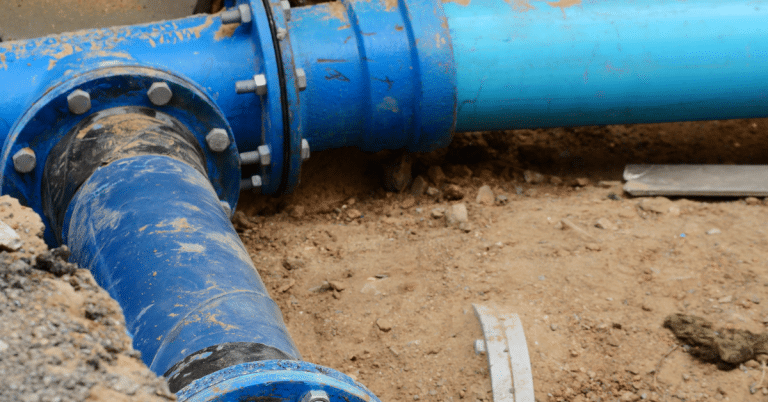
Line stopping (or line stop) is a mechanical pipeline isolation method used to temporarily block flow within a live pipeline.
A specially engineered stopping head is inserted into the pipe via a hot tap connection. Once deployed, it physically blocks flow, allowing a section of pipeline to be safely isolated for repair, modification or tie-ins.
Line stopping is widely used in:
- Water mains
- Gas and utility networks
- Industrial process pipelines
- Large diameter pipe systems
Unlike pipe freezing, line stopping is mechanical rather than thermal, making it suitable for higher pressure and larger diameter systems.
Key Benefits of Line Stopping
- Suitable for large diameter pipelines
- Effective on higher pressure systems
- Allows complex pipeline modifications
- Can isolate sections of critical infrastructure
- Reduces need for full system shutdown
Pipe Freezing vs Line Stopping: Key Differences
Although both methods achieve isolation, the way they work, and where they are used, is very different.
- Uses temperature to create an ice plug
- Best for smaller diameter pipework
- Common in heating and water systems
- No physical intrusion into the pipe
- Ideal for short-term isolation
- Uses a mechanical stopper inserted into the pipe
- Suitable for large and high-pressure systems
- Requires a hot tap access point
- Used for more complex or long-duration works
- Common in utility and industrial infrastructure
Which Method Is Best?
There is no single “best” method. The right choice depends entirely on the system and the scope of work.
Pipe Freezing is best when:
- The pipe diameter is relatively small
- You need a quick, temporary isolation point
- The system is water or low-pressure liquid
- You want a non-intrusive solution without cutting into the pipe
Line Stopping is best when:
- Working on large diameter pipelines
- High-pressure systems require secure isolation
- You need access for major repairs or tie-ins
- Long-duration isolation is required
In many cases, both methods are used together as part of a wider pipeline isolation strategy.
Safety and Planning Considerations
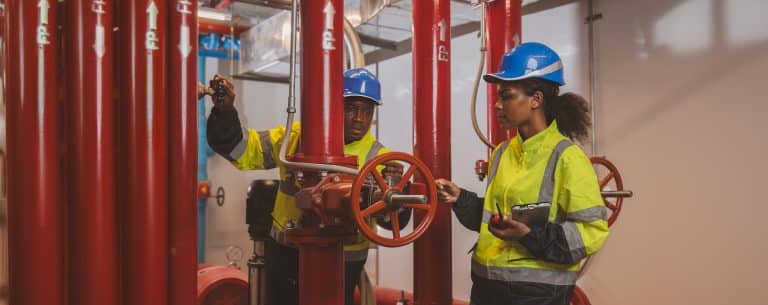
Both pipe freezing and line stopping require specialist knowledge, equipment and risk assessment. Factors such as pipe material, diameter, pressure, fluid type and flow conditions all play a critical role in selecting the correct method.
Because the work involves systems under pressure, it falls under strict safety rules. The Health and Safety Executive sets out clear guidance on working with pressure systems, and following it helps keep both workers and the wider site safe.
Incorrect isolation methods can lead to system failure, safety risks or costly downtime, which is why these works should always be carried out by experienced pipe freezing contractors and pipeline isolation specialists.
Professional Pipeline Isolation Support
At RDS Pipeline Isolation Ltd, we provide both pipe freezing services and line stopping solutions across the UK for industrial and commercial clients.
Our work supports essential maintenance and emergency repairs without the need for full system shutdown, helping reduce downtime and maintain operational continuity.
We regularly support sectors including utilities, manufacturing, petrochemical and industrial infrastructure.
Need Advice on Pipe Freezing or Line Stopping?
If you’re unsure whether pipe freezing or line stopping is the right solution for your project, our team can assess your system and recommend the safest and most cost-effective approach.
Speak to RDS Pipeline Isolation Ltd to discuss your requirements and plan your pipeline isolation works.