
Can Pipeline Freezing Be Used on Gas Pipelines?
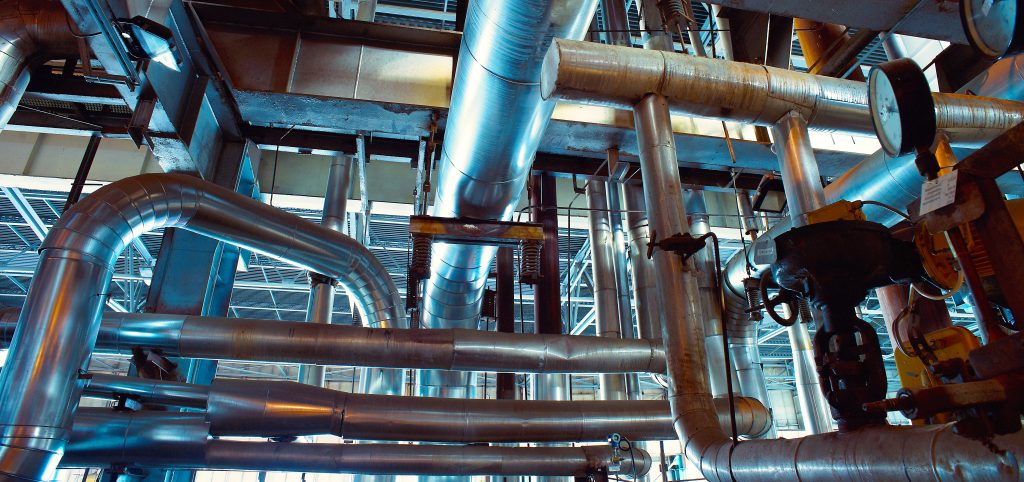
Pipeline freezing is a well-established technique for isolating sections of pipework without shutting down an entire system. Most people associate it with water and liquid-based systems, but what happens when the pipeline carries gas? Can the same method be used safely, and what are the risks involved? This post answers the most common questions we […]
What Is Pipework Freezing and When Should You Use It?
If a pipe needs fixing but you cannot drain the system or turn off the supply, pipework freezing is often the answer. This guide explains what it is, when it works best, and how it compares to simply draining down. What Is Pipework Freezing? Pipework freezing is a way of blocking off a section […]
What Are the Advantages of Pipe Freezing for Emergency Repairs?
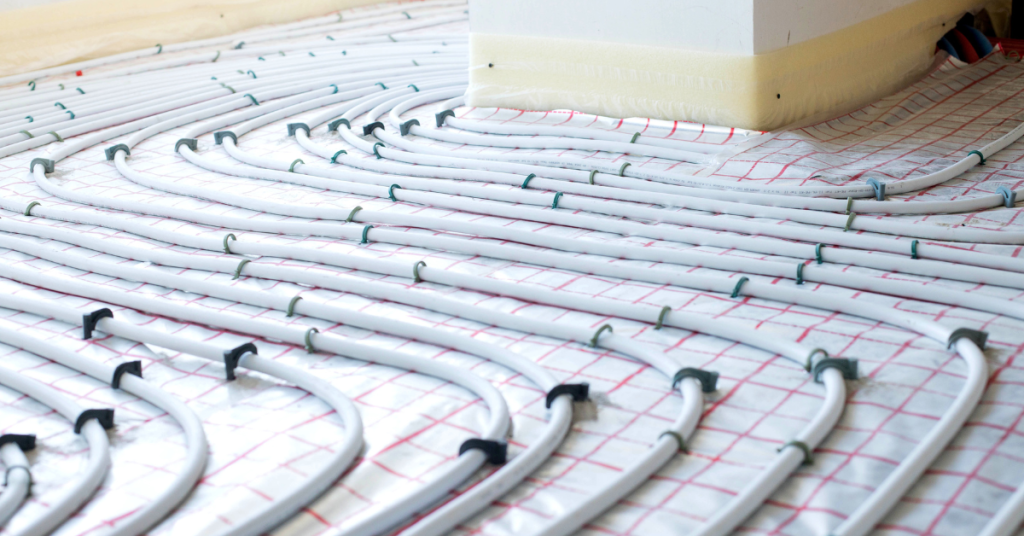
When a pipe fails unexpectedly, every minute counts. Water escaping under pressure can cause extensive damage, disrupt operations, and create safety hazards. The traditional response—locating isolation valves, shutting down sections of the system, draining pipework—takes time that you may not have. This is where pipe freezing offers a compelling alternative: a rapid, non-invasive technique that […]
The Problem of Freezing Pipes During the Winter?

Winter brings cold weather and the serious problem of freezing pipes. When temperatures drop below 0°C, water inside your pipes can freeze, expand, and cause pipes to burst. Understanding why this happens can save you thousands of pounds in repairs. Why Freezing Pipes Are Dangerous Water freezes at 0°C. When pipes aren’t properly protected, […]
How Does Pipe Freezing Support Emergency Repair Work?
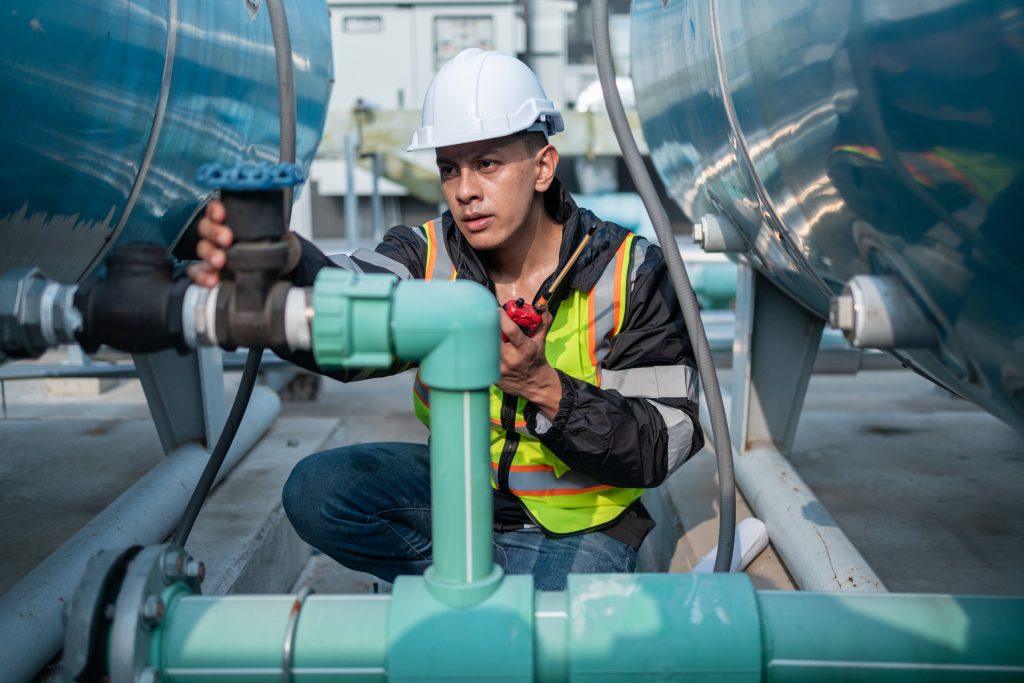
When pipeline emergencies strike, every minute counts. Whether it’s a burst water main flooding a residential area, a damaged gas line threatening public safety, or a critical industrial pipeline failure disrupting operations, rapid response capabilities can mean the difference between a manageable incident and a catastrophic event. Pipe freezing technology has emerged as one of […]
Why Onsite Welding is Key to Safe Pipework Repairs
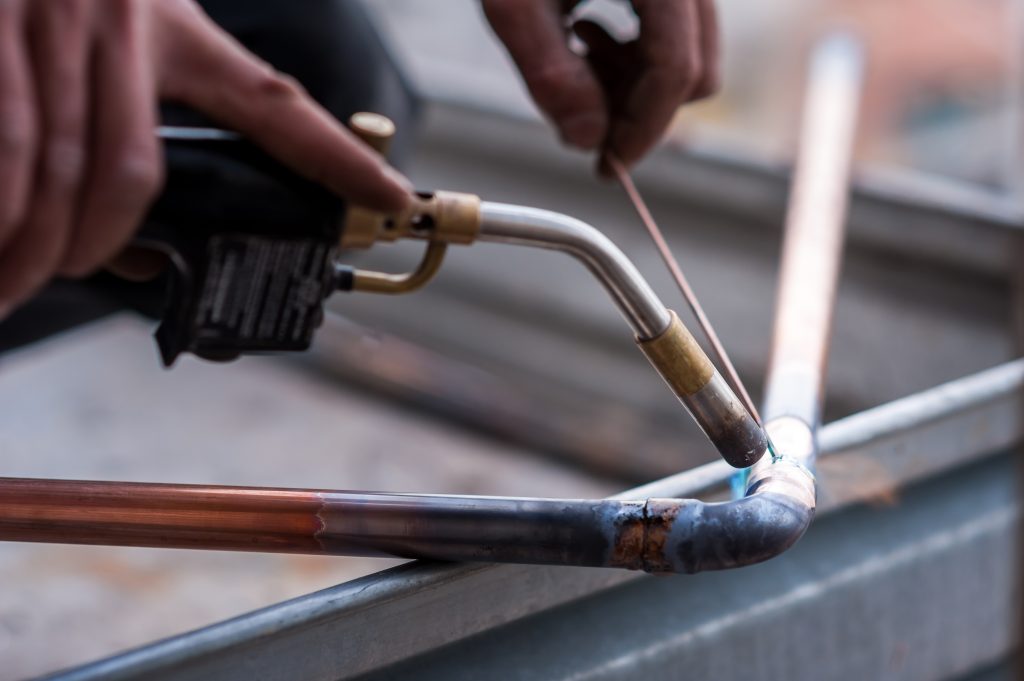
When pipes need fixing, you want the job done right the first time. That’s where onsite welding comes in. It means bringing the welding equipment directly to where your pipes are, rather than taking them away to a workshop. This approach makes repairs safer, faster, and more reliable. Here’s why onsite welding is often the […]
What to Know About Pipe Freezing for Quick Isolation

What to Know About Pipe Freezing for Quick Isolation Pipe freezing is a clever way to stop water flow in pipes without shutting off your entire system. It works by creating an ice plug inside the pipe that blocks the water from moving through. This gives you a quick way to isolate sections for repairs […]
Solving Common Issues with Industrial Valve Repairs
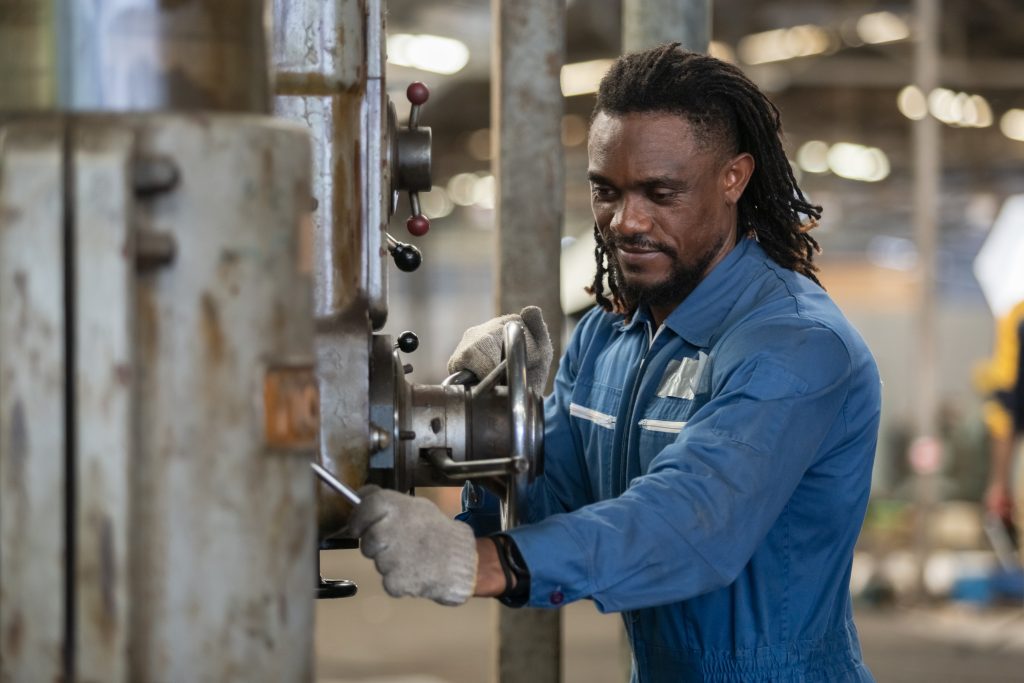
Solving Common Issues with Industrial Valve Repairs Industrial valves work hard. They open and close thousands of times, deal with high pressure, and handle all sorts of fluids. Eventually, they need fixing. The good news is that most valve problems are quite common and can be sorted out with the right approach. Let’s look at […]
What Are the Advantages of Pipe Freezing Over Other Methods?

When you need to work on a pipeline system without shutting everything down, you have several options to choose from. Pipe freezing is often the best choice for many situations. Let’s look at why pipe freezing stands out compared to other methods. Understanding Your Options Before we compare methods, let’s quickly cover the main ways […]
What Are the Safety Protocols for Line Stopping Operations?

What is Line Stopping? Before diving into safety protocols, let’s quickly explain what line stopping involves: Line stopping is a method where we insert a temporary plug (or “stopper”) into a live, pressurised pipeline. This creates a seal that blocks flow at a specific point, allowing work to happen downstream while the rest of the […]