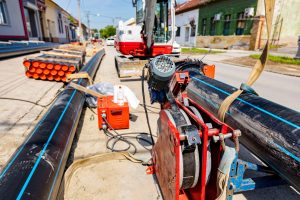
In an era where operational efficiency directly impacts profitability, pipeline maintenance strategies must deliver maximum value whilst minimising disruption. Hot tapping has emerged as one of the most cost-effective solutions for live pipeline connections, modifications, and maintenance, offering substantial savings compared to traditional methods that require system shutdowns. Understanding the financial advantages of hot tapping can help organisations make informed decisions about their infrastructure maintenance strategies.
Understanding Hot Tapping Technology
Hot tapping, also known as pressure tapping or wet welding, is a specialised technique that allows new connections to be made to pressurised pipelines without interrupting service. The process involves welding a branch connection onto a live pipeline under pressure, then using specialised cutting equipment to create an opening whilst maintaining system integrity.
This sophisticated approach combines precision engineering with advanced safety protocols, enabling maintenance teams to access live systems for repairs, upgrades, or new connections without the traditional requirement for complete system isolation and drainage.
The Cost Burden of Traditional Methods
System Shutdown Expenses
Conventional pipeline maintenance requiring full system shutdown creates substantial direct costs:
Production Loss: Manufacturing facilities can lose thousands of pounds per hour during unplanned shutdowns, with some industries experiencing losses exceeding £50,000 per day for major production lines.
Service Disruption Penalties: Utility companies face regulatory penalties and compensation claims when service interruptions exceed acceptable thresholds, often totalling hundreds of thousands of pounds for significant outages.
Labour Multiplication: Extended shutdown periods require larger crews working extended hours, dramatically inflating labour costs compared to targeted hot tapping operations.
Emergency Response Costs: Unplanned shutdowns often trigger expensive emergency response procedures, including overtime rates, specialist equipment hire, and expedited material procurement.
Hidden Operational Costs
Beyond obvious expenses, traditional methods create substantial hidden costs:
- Customer compensation for service interruptions
- Reputation damage affecting long-term business relationships
- Regulatory compliance costs for environmental and safety violations
- Insurance premium increases following operational incidents
How Hot Tapping Delivers Cost Savings
Eliminated Downtime Costs
Hot tapping’s primary cost advantage lies in maintaining operational continuity:
Continuous Revenue Generation: Businesses continue normal operations whilst maintenance occurs, preserving revenue streams that would otherwise be interrupted.
Maintained Service Levels: Service providers avoid compensation payments and regulatory penalties by maintaining customer supply throughout maintenance activities.
Reduced Staffing Requirements: Smaller, specialised teams can complete hot tapping operations more efficiently than the large crews required for system-wide shutdowns.
Flexible Scheduling: Work can be scheduled during optimal windows without the pressure of extended downtime costs, allowing for better resource allocation and cost control.
Resource Conservation Benefits
Traditional pipeline maintenance wastes substantial resources that hot tapping preserves:
Fluid Conservation: Systems remain charged throughout maintenance, eliminating the cost of draining and refilling extensive networks. For large industrial systems, this can represent tens of thousands of pounds in saved materials.
Energy Savings: Maintaining system pressure eliminates the energy costs associated with system recommissioning, including pump restart, pressure building, and flow re-establishment.
Chemical Preservation: Treated water, process chemicals, and other valuable fluids remain in the system rather than being wasted through drainage procedures.
Environmental Cost Avoidance: Reduced waste disposal costs and environmental compliance expenses through minimised discharge requirements.
Industry-Specific Cost Benefits
Water Utilities
Municipal water systems realise significant savings through hot tapping:
- Reduced customer compensation claims during service interruptions
- Lower regulatory penalties for exceeding service interruption thresholds
- Decreased emergency response costs through planned maintenance approaches
- Improved asset utilisation by maintaining revenue-generating flow
Typical savings range from £10,000-£50,000 per operation compared to traditional main shutdown methods.
Manufacturing Operations
Industrial facilities experience substantial cost benefits:
Production Continuity: Maintaining manufacturing operations during pipeline maintenance preserves profit margins and delivery schedules.
Quality Control: Avoiding system shutdowns prevents product quality issues associated with process restart procedures.
Supply Chain Stability: Continuous operation maintains supplier and customer relationships that could be damaged by production delays.
Equipment Protection: Maintaining system pressure prevents equipment damage from thermal cycling and pressure variations.
Oil and Gas Operations
Energy sector applications provide exceptional cost advantages:
- Continuous production revenue during maintenance operations
- Reduced safety risks through maintained system stability
- Environmental compliance through minimised emission events
- Operational flexibility enabling maintenance during optimal market conditions
Comparative Cost Analysis
Initial Investment Comparison
While hot tapping requires specialised equipment and expertise, the initial investment comparison reveals significant advantages:
Traditional Method Costs:
- System shutdown procedures: £5,000-£15,000
- Drainage and disposal: £3,000-£10,000
- Extended labour requirements: £8,000-£25,000
- System recommissioning: £4,000-£12,000
- Total: £20,000-£62,000
Hot Tapping Costs:
- Specialised equipment and crew: £8,000-£18,000
- Safety systems and monitoring: £2,000-£5,000
- Materials and consumables: £1,500-£4,000
- Total: £11,500-£27,000
Long-term Financial Impact
Beyond immediate cost savings, hot tapping delivers long-term financial benefits:
Reduced Insurance Premiums: Demonstrating advanced maintenance capabilities and reduced operational risks often results in lower insurance costs.
Extended Asset Life: Maintaining system stability prevents damage associated with pressure cycling and thermal stress, extending equipment lifespan.
Improved Maintenance Planning: The flexibility of hot tapping enables better maintenance scheduling, optimising resource utilisation and reducing emergency response requirements.
Enhanced System Reliability: Continuous operation during maintenance reduces the risk of system failures associated with startup and shutdown procedures.
Risk Mitigation and Cost Avoidance
Safety Cost Benefits
Hot tapping reduces safety-related costs through:
- Lower accident risk by eliminating confined space entry requirements
- Reduced personnel exposure to hazardous materials during drainage
- Minimised environmental incidents through maintained system containment
- Decreased liability exposure from operational disruptions
Regulatory Compliance Advantages
Meeting regulatory requirements more effectively provides cost benefits:
- Avoided penalties for service interruption violations
- Reduced reporting requirements for planned versus emergency operations
- Lower environmental compliance costs through minimised discharge events
- Improved regulatory relationships through demonstrated operational competence
Quality and Performance Advantages
Enhanced Maintenance Quality
Hot tapping often delivers superior maintenance outcomes:
Precise Execution: Working on stable, pressurised systems enables more accurate work compared to depressurised conditions.
Immediate Testing: Connections can be pressure tested immediately, ensuring quality before system return to service.
Reduced Contamination Risk: Maintaining system pressure prevents ingress of contaminants during maintenance activities.
Improved Joint Integrity: Pressure-assisted sealing often creates superior connection quality compared to dry assembly methods.
Technology Investment Returns
Equipment Justification
The cost-effectiveness of hot tapping makes equipment investment highly attractive:
Rapid Payback: Specialised hot tapping equipment typically pays for itself within 3-5 applications through saved shutdown costs.
Versatile Applications: Equipment can be used across multiple pipeline systems and maintenance scenarios, maximising utilisation and return on investment.
Competitive Advantage: Organisations with hot tapping capabilities can offer superior service levels and pricing compared to traditional approaches.
Revenue Generation: Service providers can command premium rates for hot tapping services due to their superior value proposition.
Skills Development Benefits
Investing in hot tapping expertise provides ongoing advantages:
- Enhanced maintenance capabilities improving overall operational efficiency
- Reduced dependency on external contractors for critical operations
- Improved emergency response capabilities for urgent situations
- Career development opportunities for technical personnel
Future Cost Considerations
Emerging Technologies
Advances in hot tapping technology continue to improve cost-effectiveness:
Automated Systems: Robotic hot tapping equipment reduces labour requirements and improves safety outcomes.
Advanced Materials: New cutting tools and sealing technologies extend equipment life and improve reliability.
Digital Integration: Smart monitoring systems optimise operations and provide predictive maintenance capabilities.
Modular Approaches: Standardised equipment configurations reduce setup time and training requirements.
Market Trends
Industry trends support continued hot tapping adoption:
- Aging Infrastructure: Increased maintenance requirements favour efficient, non-disruptive solutions
- Regulatory Pressure: Stricter service reliability requirements make hot tapping more attractive
- Environmental Focus: Sustainability goals align with resource conservation benefits
- Economic Pressures: Cost reduction imperatives favour proven efficiency solutions
Conclusion
Hot tapping represents a paradigm shift in pipeline maintenance cost management, delivering substantial savings through eliminated downtime, resource conservation, and operational efficiency. The technology’s ability to maintain service continuity whilst enabling necessary maintenance work creates a compelling value proposition that extends far beyond simple cost comparison.
For organisations seeking to optimise their maintenance strategies, hot tapping offers proven cost-effectiveness supported by decades of successful application across diverse industries. The combination of immediate cost savings, long-term financial benefits, and enhanced operational capabilities makes hot tapping an essential consideration for any serious approach to pipeline infrastructure management.
As infrastructure demands continue to grow whilst budgets remain constrained, hot tapping provides the cost-effective solution that enables organisations to meet their maintenance obligations without compromising operational performance or financial sustainability. The technology’s proven track record and continued evolution ensure that hot tapping will remain a cornerstone of cost-effective pipeline maintenance for years to come.