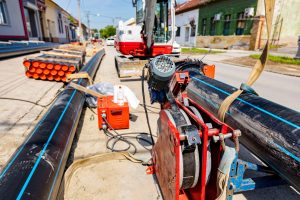
When a pipeline requires modification—whether to add a new connection, install monitoring equipment, or create an isolation point—there are fundamentally two approaches available. The traditional method involves shutting down the system, depressurising it, draining the contents, and then carrying out the work on an empty, inactive pipe. The alternative is hot tapping: performing the modification while the pipeline remains live, pressurised, and fully operational.
For decades, hot tapping was considered a specialist technique reserved for situations where shutdown simply wasn’t feasible. Today, it’s increasingly recognised as the superior choice for a wide range of pipeline modification projects. In this article, we’ll explore why hot tapping has become the preferred option and examine the compelling advantages it offers over traditional methods.
The Traditional Approach: What It Involves
To appreciate the benefits of hot tapping, it’s worth understanding what traditional pipeline modification actually entails.
First, the affected section of pipeline must be isolated and shut down. Depending on the system’s complexity, this might mean closing multiple valves and coordinating with upstream and downstream operations. The pipeline then needs to be depressurised and drained—a process that can take hours or even days for larger systems.
Once empty, the pipe can be cut, modified, and reassembled. After the work is complete, the system must be purged, pressure-tested, and gradually brought back online. Throughout this entire process, whatever the pipeline normally carries—water, gas, oil, chemicals—isn’t flowing. Operations are suspended, customers may be affected, and revenue is lost.
This approach served the industry for generations, and there are still circumstances where it remains appropriate. However, for many projects, it represents a cumbersome, costly, and disruptive way of achieving what hot tapping can accomplish far more elegantly.
The Hot Tapping Advantage
Zero Operational Downtime
The most significant benefit of hot tapping is the elimination of downtime. The pipeline continues operating throughout the modification process, with product flowing normally from start to finish. For water utilities, this means no interruption to supply. For industrial facilities, production continues unaffected. For oil and gas operations, revenue keeps flowing—literally.
This isn’t merely a convenience; it’s often a business-critical consideration. Some operations simply cannot afford to shut down. Hospitals need continuous water supply. Manufacturing processes may be damaged by interruption. Contractual obligations may mandate uninterrupted delivery. Hot tapping makes modification possible in circumstances where traditional methods would be impractical or unacceptable.
Substantial Cost Savings
Downtime carries a price tag that extends far beyond the direct costs of the modification work itself. Lost production, missed deliveries, contractual penalties, and customer compensation can dwarf the expense of the actual pipework. By eliminating shutdown, hot tapping removes these consequential costs entirely.
There are direct savings too. Traditional modification requires draining the pipeline contents, which may need to be stored, treated, or disposed of. Refilling the system afterwards consumes additional product. Purging and testing add further expense. Hot tapping sidesteps all of these requirements, delivering a leaner, more economical project overall.
Enhanced Safety Profile
It might seem counterintuitive that working on a live, pressurised system could be safer than working on an empty one, but in many respects it is. Traditional modification involves multiple hazardous activities: venting gases, draining potentially dangerous liquids, working in confined spaces, and managing the risks associated with system restart.
Hot tapping, by contrast, is a controlled, methodical process performed by trained specialists using purpose-built equipment. The pipeline remains in its normal operating state throughout—no unexpected pressure releases, no exposure to residual contents, no complications from system purging. When performed by experienced professionals following proper procedures, hot tapping presents a well-managed risk profile.
Environmental Benefits
Draining a pipeline inevitably raises environmental considerations. Where does the content go? How is it stored? What treatment is required before disposal? Even with careful management, there’s potential for spillage, contamination, or waste.
Hot tapping generates none of these concerns. The pipeline contents stay exactly where they belong—inside the pipe, flowing to their intended destination. There’s no product to drain, store, treat, or dispose of. For environmentally sensitive sites or operations handling hazardous materials, this represents a meaningful advantage.
Faster Project Completion
Time is money, and hot tapping delivers significant time savings compared to traditional methods. Eliminating the shutdown, drainage, and restart phases removes days—sometimes weeks—from the project timeline. The modification itself can often be completed in a matter of hours.
This speed benefits more than just the bottom line. Shorter project durations mean less disruption to surrounding activities, reduced time spent working in potentially hazardous environments, and faster realisation of whatever benefit the modification was intended to provide. When you need a new connection or isolation point, hot tapping gets you there sooner.
Flexibility and Minimal Disruption
Hot tapping can be performed on pipelines carrying a wide range of products—water, gas, oil, petrochemicals, and more—across diverse industries and applications. The technique adapts to various pipe materials, diameters, and pressure ratings, making it a versatile solution for numerous modification requirements.
Because the work is localised and self-contained, disruption to the surrounding area is minimised. There’s no need to excavate extensively, no large volumes of liquid to manage, and no prolonged occupation of the site. The modification happens, the equipment is removed, and normal conditions resume—often with minimal visible evidence that any work took place.
When Is Traditional Modification Still Appropriate?
While hot tapping offers compelling advantages, it isn’t universally applicable. Severely deteriorated pipes may not withstand the process safely. Certain materials or operating conditions may present technical challenges. Occasionally, the scope of work genuinely requires complete system access.
A reputable contractor will assess each project individually and recommend the most appropriate approach. At RDS Pipeline, we’re advocates for hot tapping where it makes sense—but we’re honest when circumstances call for alternative methods.
Choose RDS Pipeline for Your Hot Tapping Requirements
At RDS Pipeline, we’ve helped countless clients realise the benefits of hot tapping across diverse industries and applications. Our experienced team, comprehensive equipment range, and commitment to safety and quality ensure that every project is delivered to the highest standards.
If you’re facing a pipeline modification project and want to explore whether hot tapping could save you time, money, and disruption, we’d welcome the conversation. Contact RDS Pipeline today for expert advice and a no-obligation quotation.