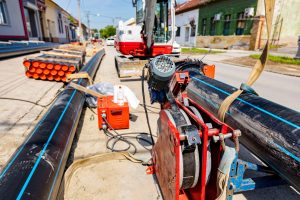
In the demanding world of pipeline operations, the decision between hot tapping and system shutdowns for flow diversion projects represents one of the most critical strategic choices facing infrastructure managers. Flow diversion—the process of redirecting pipeline contents through alternative routes for maintenance, upgrades, or emergency response—traditionally required complete system shutdowns with their associated operational disruptions and economic consequences. Hot tapping technology has fundamentally transformed this landscape, offering a sophisticated alternative that enables flow diversion whilst maintaining continuous operations throughout the process.
The choice between hot tapping and shutdown methodologies extends far beyond simple technical considerations. Modern pipeline operators must balance operational continuity, economic impact, regulatory compliance, environmental responsibility, and safety requirements when planning flow diversion projects. Hot tapping technology addresses these multifaceted challenges by providing a controlled, precise method for creating new connections and diversions without interrupting existing operations, fundamentally changing how complex pipeline modifications are approached and executed.
Understanding the comparative advantages and applications of hot tapping versus traditional shutdown methods is essential for pipeline operators seeking to optimise their infrastructure management strategies. This knowledge enables informed decision-making that can result in substantial cost savings, reduced operational risk, and improved service reliability whilst maintaining the highest safety and environmental standards.
Traditional Shutdown Challenges and Limitations
Operational Disruption and Service Impact
Traditional shutdown approaches to flow diversion require complete cessation of pipeline operations, often affecting vast networks and numerous customers. These shutdowns can impact everything from residential gas supply to critical industrial processes, creating cascading effects throughout interconnected systems. The scope of disruption often extends far beyond the immediate work area, requiring complex coordination with downstream users and alternative supply arrangements.
The time required for shutdown procedures compounds these impacts significantly. Complete system depressurisation, product removal, and subsequent repressurisation can add days or weeks to project timelines, extending service disruptions well beyond the actual construction work duration. For critical infrastructure serving hospitals, schools, or essential services, even brief shutdowns can create unacceptable risks and require elaborate contingency planning.
Customer notification requirements and regulatory compliance associated with planned shutdowns add additional complexity and cost to traditional approaches. Operators must often provide extensive advance notice, coordinate with multiple stakeholders, and implement comprehensive communication programmes to manage the impact of service interruptions.
Economic Consequences of System Shutdowns
The financial impact of pipeline shutdowns extends well beyond the direct costs of the diversion work itself. Lost revenue during shutdown periods can amount to hundreds of thousands of pounds per day for major pipeline systems, whilst compensation requirements for affected customers add substantial additional costs. Industrial customers facing production shutdowns may seek significant compensation for lost productivity and potential contract penalties.
Emergency response and contingency measures required during shutdowns create additional cost burdens. Alternative supply arrangements, temporary equipment rentals, and extended project team deployment all contribute to escalating project costs that can quickly exceed initial budget projections. These costs are particularly significant for extended shutdowns required for complex flow diversion projects.
The opportunity costs associated with delayed project completion also impact the overall economic equation. Traditional shutdown approaches often require extended outage windows to accommodate all necessary work, potentially delaying other planned maintenance activities and creating scheduling conflicts that affect long-term operational planning.
Safety and Environmental Considerations
Shutdown procedures for flow diversion projects involve significant safety risks associated with depressurisation, product handling, and system restart operations. The manipulation of large volumes of potentially hazardous materials creates exposure risks for personnel and surrounding communities, whilst the complexity of shutdown procedures increases the potential for operational errors.
Environmental impacts from shutdown operations can be substantial, particularly when pipeline contents must be removed or transferred to alternative storage facilities. Product venting, flaring, or disposal requirements may trigger environmental compliance issues and create additional regulatory oversight requirements that complicate project execution.
The restart phase following shutdown work presents particular risks, as system repressurisation and recommissioning procedures must be executed carefully to prevent operational upsets or safety incidents. These procedures often require extensive testing and verification protocols that extend project timelines and create additional opportunities for complications.
Hot Tapping Advantages for Flow Diversion
Continuous Operation Benefits
Hot tapping enables flow diversion projects to proceed without interrupting existing pipeline operations, maintaining service continuity throughout the construction process. This capability eliminates the customer service impacts associated with traditional shutdowns whilst preserving revenue streams and avoiding compensation liabilities. The ability to maintain normal operations during diversion work is particularly valuable for critical infrastructure serving essential services.
The precision of hot tapping technology allows operators to create new connections exactly where needed without affecting broader system operations. This surgical approach minimises the scope of work activities and reduces the potential for unexpected complications that could extend project timelines or create additional operational risks.
Continuous operation during hot tapping projects also enables real-time system monitoring and immediate response to any operational changes or anomalies. This capability provides enhanced safety oversight and allows for immediate corrective action if conditions change during the project execution phase.
Enhanced Project Flexibility and Control
Hot tapping provides project teams with significantly greater flexibility in scheduling and execution compared to traditional shutdown approaches. Work can proceed at optimal timing without the constraints imposed by customer notification requirements or system shutdown procedures. This flexibility enables better resource utilisation and can significantly reduce overall project duration.
The controlled nature of hot tapping operations allows for phased project execution that can accommodate changing operational requirements or unexpected complications. If conditions change during project execution, hot tapping enables rapid adaptation without the complex procedures required for system restart or additional shutdown arrangements.
Project coordination requirements are substantially simplified with hot tapping approaches, as the extensive stakeholder management and contingency planning required for shutdowns is largely eliminated. This simplification reduces project management overhead and enables more efficient resource allocation throughout the project lifecycle.
Superior Safety Performance
Hot tapping operations are conducted under controlled pressure conditions that eliminate many of the risks associated with system depressurisation and product handling required for shutdown approaches. The contained nature of hot tapping work reduces personnel exposure to potentially hazardous materials whilst maintaining system integrity throughout the process.
The elimination of system restart procedures removes a significant source of operational risk from flow diversion projects. Restart operations often involve complex sequences that create opportunities for errors or system upsets, whilst hot tapping maintains stable operating conditions throughout the project duration.
Continuous monitoring capabilities during hot tapping operations provide enhanced safety oversight compared to shutdown scenarios where system visibility may be limited during depressurisation and restart phases. Real-time pressure monitoring, leak detection, and system status information enable immediate response to any developing safety concerns.
Technical Comparison of Methodologies
Installation Precision and Quality
Hot tapping technology provides superior precision in connection placement and installation quality compared to shutdown methods that may require work under compromised conditions. The controlled pressure environment during hot tapping ensures optimal welding conditions and enables comprehensive quality verification throughout the installation process.
The ability to pressure test new connections immediately following installation provides immediate verification of installation quality and system integrity. Traditional shutdown approaches may require extended testing procedures during restart operations that can delay problem identification and resolution.
Hot tapping equipment incorporates sophisticated monitoring and control systems that provide real-time feedback on installation progress and quality parameters. This technology enables immediate correction of any deviations from specified procedures and ensures consistent installation quality across all project phases.
System Integration and Commissioning
Flow diversions installed using hot tapping can be commissioned and tested immediately upon completion, enabling rapid integration into normal system operations. This immediate commissioning capability eliminates the extended testing and verification procedures often required following system restart after shutdown work.
The maintained system pressure during hot tapping installations enables comprehensive testing of new diversion routes under actual operating conditions. This testing capability provides superior verification of system performance compared to shutdown approaches that may require simulated testing conditions during commissioning.
Integration of hot tapped diversions with existing control systems and operational procedures can proceed gradually without the time pressures associated with system restart schedules. This measured approach enables more thorough integration and reduces the risk of operational complications during the transition to normal operations.
Economic Analysis and Value Proposition
Direct Cost Comparisons
Whilst hot tapping may involve higher initial equipment and specialist contractor costs compared to shutdown approaches, the elimination of shutdown-related expenses often results in substantial overall cost savings. Revenue preservation during hot tapping projects can amount to hundreds of thousands of pounds for major pipeline systems, easily justifying the incremental costs of specialised equipment and procedures.
The reduced project duration typically associated with hot tapping approaches provides additional cost benefits through reduced labour requirements, equipment rental costs, and project management overhead. These savings often compound significantly for complex projects requiring extended work periods.
Elimination of customer compensation requirements and emergency response costs provides additional direct cost benefits that may not be immediately apparent in initial project cost estimates. These avoided costs can represent substantial savings, particularly for projects affecting critical customers or large user populations.
Long-term Value Considerations
Hot tapping installations often provide superior long-term performance compared to connections installed under shutdown conditions. The controlled installation environment and immediate pressure testing capabilities result in higher quality installations with reduced maintenance requirements and longer service life.
The operational flexibility provided by hot tapped diversions enables more responsive infrastructure management and can provide ongoing operational benefits beyond the initial project objectives. This flexibility may enable future operational optimisations or emergency response capabilities that provide continuing value throughout the system’s operating life.
The enhanced reputation and customer relationships resulting from minimised service disruptions provide intangible but significant long-term value. Maintaining service reliability during infrastructure improvements builds customer confidence and may provide competitive advantages in regulated or competitive market environments.
Application Scenarios and Decision Criteria
Optimal Hot Tapping Applications
Hot tapping proves most advantageous for flow diversion projects in high-consequence service areas where shutdown impacts would be severe or unacceptable. Critical infrastructure serving hospitals, emergency services, or essential industrial processes represents ideal applications where hot tapping benefits clearly outweigh any additional costs or complexity.
Urban pipeline networks with dense customer populations benefit significantly from hot tapping approaches that minimise service disruptions and associated customer relations challenges. The complexity of coordinating shutdowns in urban environments often makes hot tapping the preferred approach regardless of direct cost considerations.
Time-sensitive projects requiring rapid execution benefit from hot tapping’s ability to eliminate shutdown procedures and accelerate project completion. Emergency diversions or projects with critical completion deadlines often justify hot tapping approaches based on schedule benefits alone.
Situational Considerations for Method Selection
Pipeline pressure and product characteristics may influence the selection between hot tapping and shutdown approaches. High-pressure systems or pipelines handling hazardous materials may require specialised hot tapping equipment or procedures that affect the cost-benefit analysis of different approaches.
Accessibility and working space limitations may favour hot tapping approaches that require less extensive work areas and eliminate the need for large-scale product handling or storage facilities. Confined urban environments or environmentally sensitive locations often present constraints that favour hot tapping methodologies.
Regulatory requirements and permitting considerations may influence method selection, particularly in environmentally sensitive areas where shutdown procedures might trigger additional regulatory oversight or environmental compliance requirements. Hot tapping’s minimal environmental impact often simplifies regulatory approval processes.
Regulatory and Compliance Aspects
Safety Regulatory Compliance
Hot tapping operations must comply with stringent safety regulations governing pressure vessel work and hot work activities on pressurised systems. These requirements often mandate specialised personnel qualifications, detailed safety management plans, and comprehensive risk assessment procedures that ensure safe execution of hot tapping operations.
Regulatory approval processes for hot tapping may require demonstration of equivalent or superior safety performance compared to traditional shutdown approaches. This demonstration typically involves detailed engineering analysis, risk assessments, and reference to established industry standards and best practices.
Ongoing compliance monitoring during hot tapping operations requires documentation of safety performance and adherence to approved procedures. This monitoring provides regulatory authorities with confidence in the safety of hot tapping approaches and supports future project approvals.
Environmental Regulatory Benefits
Hot tapping approaches often provide significant environmental compliance advantages by eliminating product venting, flaring, or disposal requirements associated with shutdown procedures. This environmental benefit may simplify permitting processes and reduce regulatory oversight requirements for flow diversion projects.
The reduced carbon footprint associated with maintaining continuous operations during hot tapping projects aligns with increasing environmental performance requirements and corporate sustainability objectives. These benefits may provide additional regulatory advantages in jurisdictions with carbon pricing or environmental performance requirements.
Elimination of temporary product storage or handling requirements reduces environmental risk exposure and associated regulatory compliance burdens. This risk reduction can significantly simplify project planning and execution whilst reducing potential environmental liability exposure.
Future Developments and Technology Evolution
Advanced Hot Tapping Capabilities
Emerging technologies in automated welding and remote monitoring are expanding the capabilities and reliability of hot tapping operations. These developments promise to further improve the safety, precision, and cost-effectiveness of hot tapping approaches for flow diversion applications.
Enhanced materials and equipment designs are enabling hot tapping applications in increasingly challenging environments, including higher pressures, larger diameters, and more aggressive product conditions. These expanded capabilities are broadening the range of applications where hot tapping provides advantages over traditional shutdown approaches.
Integration with digital pipeline management systems is enabling more sophisticated planning and execution of hot tapping projects. Real-time system modelling and optimisation capabilities promise to further enhance the efficiency and effectiveness of hot tapping approaches for complex flow diversion projects.
Industry Adoption Trends
Increasing adoption of hot tapping approaches across the pipeline industry reflects growing recognition of the operational and economic advantages these technologies provide. Industry experience and confidence in hot tapping methodologies continue to expand the range of applications where these approaches are considered standard practice.
Regulatory acceptance and standardisation of hot tapping procedures are reducing barriers to adoption and enabling more widespread application of these technologies. This regulatory evolution supports continued growth in hot tapping applications and encourages further technological development.
Training and certification programmes for hot tapping specialists are expanding the availability of qualified personnel and supporting industry adoption of these advanced techniques. This workforce development ensures that hot tapping capabilities remain accessible for operators seeking to implement these approaches.
Conclusion
The choice between hot tapping and traditional shutdown approaches for flow diversion projects involves complex considerations that extend far beyond initial cost comparisons. Hot tapping provides compelling advantages in operational continuity, economic performance, safety, and environmental impact that make it the preferred approach for most flow diversion applications.
The demonstrated benefits of hot tapping in maintaining service reliability whilst enabling essential infrastructure improvements make it an indispensable capability for modern pipeline operators. As pipeline systems become increasingly critical to economic and social infrastructure, the ability to perform essential modifications without service disruption becomes ever more valuable.
Investment in hot tapping capabilities represents a strategic advantage for pipeline operators, enabling responsive infrastructure management whilst maintaining the operational excellence that modern service requirements demand. The proven track record of hot tapping across diverse applications demonstrates its value as a cornerstone technology for efficient pipeline operations and infrastructure development.