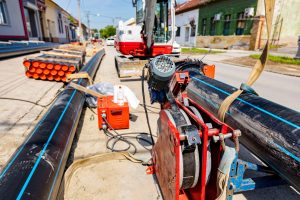
When pipeline emergencies strike, every second counts. The difference between a minor incident and a catastrophic failure often lies in how quickly and effectively emergency leak sealing services are deployed. Understanding when to call for professional emergency intervention can save businesses thousands of pounds, protect the environment, and ensure public safety.
Understanding Emergency Leak Sealing
Emergency leak sealing encompasses rapid-response techniques designed to contain and repair pipeline failures under urgent circumstances. Unlike routine maintenance, these services operate under extreme time pressure, often in challenging conditions where conventional repair methods are impractical or impossible.
Professional emergency teams utilise specialised equipment including composite repair systems, mechanical clamps, injection sealing compounds, and temporary bypass solutions to rapidly contain leaks whilst minimising operational disruption and safety risks.
Critical Situations Requiring Immediate Response
High-Pressure System Failures
When high-pressure pipelines fail, the consequences can be severe and immediate. Water mains operating at significant pressure can cause:
- Structural damage to surrounding buildings and infrastructure
- Road subsidence creating dangerous driving conditions
- Service disruption affecting thousands of customers
- Flooding in critical areas such as hospitals or schools
Emergency leak sealing provides rapid containment, preventing escalation whilst permanent repairs are planned and executed.
Hazardous Material Containment
Pipelines carrying chemicals, fuel, or other hazardous substances present unique emergency challenges. Immediate professional intervention is crucial to:
- Prevent environmental contamination of soil and groundwater
- Protect public health from toxic exposure risks
- Comply with environmental regulations and avoid substantial penalties
- Minimise cleanup costs through rapid containment
Emergency sealing techniques can quickly isolate hazardous leaks, creating safe working environments for comprehensive remediation efforts.
Critical Infrastructure Incidents
Certain locations demand immediate response due to their operational importance:
Hospitals and Healthcare Facilities: Medical equipment, sterile environments, and patient safety cannot be compromised. Emergency sealing ensures continued operation of critical systems.
Data Centres: Water ingress can destroy millions of pounds worth of equipment and cause irreparable data loss. Rapid leak containment is essential.
Manufacturing Plants: Production line shutdowns can cost thousands per hour. Emergency services maintain operations whilst addressing pipeline failures.
Schools and Public Buildings: Student safety and building integrity require immediate attention to prevent accidents and structural damage.
Weather-Related Pipeline Failures
Extreme weather conditions often trigger multiple pipeline emergencies simultaneously:
Freeze-Thaw Cycles: Rapid temperature changes cause pipe expansion and contraction, leading to joint failures and burst pipes. Emergency teams provide rapid response when heating systems fail during cold snaps.
Flooding: Saturated ground conditions can cause pipeline movement and joint separation. Emergency sealing prevents further water ingress and stabilises affected systems.
Ground Movement: Heavy rainfall and flooding can cause ground subsidence, placing extreme stress on buried pipelines and requiring immediate intervention.
Age-Related Infrastructure Failures
Older pipeline networks are increasingly susceptible to sudden failures:
- Cast iron deterioration in heritage systems
- Joint degradation in systems approaching end-of-life
- Corrosion-induced failures in metal pipelines
- Settlement-related damage in established networks
Emergency services provide crucial bridging solutions whilst long-term replacement programmes are developed.
Time-Critical Response Requirements
The Golden Hour Principle
Like medical emergencies, pipeline failures often follow a “golden hour” principle where rapid intervention dramatically improves outcomes. Within the first hour:
- Damage assessment can identify the full scope of required intervention
- Temporary containment can prevent escalation to neighbouring systems
- Safety perimeters can be established to protect personnel and public
- Resource mobilisation can begin for comprehensive repairs
24/7 Availability Imperative
Pipeline emergencies don’t follow business hours. Professional emergency services maintain:
- Round-the-clock response teams ready for immediate deployment
- Specialised equipment stockpiles strategically located for rapid access
- Direct communication channels for urgent situation reporting
- Established protocols for different emergency scenarios
Economic Impact of Delayed Response
Direct Costs
Delayed emergency response amplifies costs exponentially:
- Water damage to buildings and equipment
- Business interruption losses from extended shutdowns
- Emergency accommodation costs for displaced residents
- Cleanup expenses for environmental contamination
Indirect Consequences
Beyond immediate costs, delayed response creates:
- Regulatory penalties for environmental incidents
- Insurance complications due to inadequate emergency response
- Reputation damage affecting long-term business relationships
- Legal liability for property damage or personal injury
Professional Emergency Response Capabilities
Rapid Deployment
Professional services provide:
- Sub-one-hour response times in urban areas
- Mobile workshops equipped with comprehensive repair materials
- Experienced technicians trained in high-pressure emergency procedures
- Safety equipment for working in hazardous environments
Technical Expertise
Emergency situations demand specialised knowledge:
- Material compatibility assessment for different pipeline types
- Pressure rating calculations for temporary repairs
- Environmental impact minimisation techniques
- Regulatory compliance throughout emergency procedures
Comprehensive Solutions
Beyond immediate containment, professional services offer:
- Temporary bypass systems maintaining service continuity
- Structural assessment identifying related risks
- Permanent repair planning for long-term solutions
- Documentation services for insurance and regulatory requirements
Prevention Through Preparedness
Emergency Response Planning
Proactive businesses develop comprehensive emergency protocols:
- Contact procedures for immediate professional assistance
- Site access information for rapid responder deployment
- Utility isolation procedures to minimise damage scope
- Communication plans for staff and customer notification
Regular System Monitoring
Early detection systems can prevent emergencies:
- Pressure monitoring identifying gradual deterioration
- Leak detection systems providing early warning
- Regular inspections of high-risk pipeline sections
- Predictive maintenance programmes addressing age-related issues
Conclusion
Emergency leak sealing services represent a critical safety net for modern infrastructure. From high-pressure system failures to hazardous material incidents, weather-related damage to age-related deterioration, numerous situations demand immediate professional intervention.
The key to effective emergency response lies in recognising urgent situations early, maintaining relationships with qualified emergency service providers, and understanding that rapid professional intervention invariably proves more cost-effective than delayed response.
For organisations managing pipeline infrastructure, establishing emergency response protocols and maintaining contact with qualified emergency leak sealing services isn’t just good practice—it’s essential risk management that protects operations, assets, and public safety.
When pipeline emergencies occur, professional emergency leak sealing services provide the expertise, equipment, and rapid response capabilities necessary to transform potentially catastrophic situations into manageable incidents, ensuring business continuity and protecting valuable infrastructure investments.