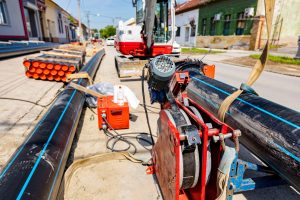
Hot tapping is a method used to drill into a pipe while it is still in use. This means the system keeps running during the work. There is no need to shut everything down, drain the pipes, or stop operations.
This process is also called pressure tapping or under-pressure drilling. It allows workers to make new connections, add branches, or install equipment on live pipelines. The pipe stays pressurised throughout the whole job.
Why Is Hot Tapping Used?
Shutting down a pipeline can be expensive and disruptive. Think about a factory that needs its water or gas supply running at all times. Stopping the flow could halt production for hours or even days.
Hot tapping solves this problem. It lets engineers make changes while the system stays active. This saves time, money, and avoids the hassle of draining and refilling pipes.
Common reasons for using this technique include:
- Adding new branch connections to existing pipelines
- Installing monitoring equipment or sensors
- Creating access points for maintenance
- Connecting new buildings or facilities to existing supplies
- Making repairs without service interruption
How Does Hot Tapping Work? A Step-by-Step Guide
The hot tapping process follows a careful sequence. Each step must be completed properly to keep everyone safe and protect the pipeline.
Step 1: Fitting the Saddle or Nozzle
First, a fitting called a saddle is welded onto the outside of the pipe. This saddle creates a secure base for the rest of the equipment. It forms a pressure-tight seal around the area where the hole will be drilled.
The saddle must be positioned exactly right. Proper welding is essential to ensure there are no leaks.
Step 2: Attaching the Valve
Next, a valve is bolted onto the saddle. This valve controls access to the pipeline. It can be opened to allow drilling and closed afterwards to seal the connection.
The valve is a critical safety feature. If anything goes wrong during drilling, it can be closed immediately.
Step 3: Mounting the Tapping Machine
A special drilling machine is then attached above the valve. This machine holds the cutting tool and controls the drilling process. It creates a sealed chamber so no fluid or gas escapes during cutting.
Step 4: Drilling the Hole
With everything in place, the valve is opened and the cutter advances into the pipe. The drill creates a hole through the pipe wall while the system remains under full pressure.
This is where skilled operators make the difference. They control the speed and pressure carefully to ensure a clean cut.
Step 5: Coupon Retention
When the drill cuts through the pipe wall, it creates a circular piece of metal called a coupon. This coupon must not fall into the pipeline where it could cause blockages or damage.
The tapping machine is designed to hold onto this coupon. After cutting, the drill retracts and brings the coupon out with it. The valve is then closed, sealing the new connection.
Hot Tapping vs Other Pipeline Methods
| Method | System Status | Typical Use | Downtime Required |
|---|---|---|---|
| Hot Tapping | Live and pressurised | New connections, modifications | None |
| Line Stopping | Live with isolated section | Repairs, valve replacements | Minimal |
| Pipe Freezing | Live with frozen plug | Repairs on smaller pipes | Minimal |
| Traditional Shutdown | Fully drained | Major repairs, replacements | Significant |
Each method has its place. Hot tapping works best when you need to add connections without any interruption to service. Line stopping creates temporary barriers within live pipes for repair work. Pipe freezing uses extreme cold to create an ice plug, stopping flow in a specific section.
Safety Considerations
Working on pressurised systems carries risks. That is why proper planning and safety measures are so important. The Health and Safety Executive provides guidance on pressure systems that applies to these operations.
Key safety requirements include:
- Thorough inspection of the pipe before work begins
- Checking pipe wall thickness to ensure it can withstand welding
- Using proper personal protective equipment
- Having qualified personnel perform all work
- Following written procedures for every step
The materials flowing through the pipe also matter. Different substances require different safety approaches. Hot tapping on a water main is very different from working on a gas pipeline.
Materials That Can Be Hot Tapped
This technique works on many types of pipes and materials. Common applications include:
- Steel pipelines (carbon steel and stainless steel)
- Cast iron pipes
- Ductile iron systems
- Some plastic pipelines (with special equipment)
The contents of the pipe can include water, oil, gas, steam, and various industrial fluids. Each material requires specific safety protocols and equipment choices.
When Hot Tapping Is Not Suitable
While this method is versatile, it is not always the right choice. Some situations require alternative approaches:
- Pipes with severe corrosion or thin walls
- Systems carrying highly hazardous materials
- Pipelines made from unsuitable materials
- Situations where welding poses unacceptable risks
A professional assessment is always needed before deciding on the best approach.
The Benefits of Professional Hot Tapping Services
Choosing experienced specialists for tapping pipeline work brings several advantages. Professional teams have the right equipment, training, and insurance to handle the job safely.
They can assess your pipeline, recommend the best approach, and carry out the work efficiently. This reduces risk and ensures the job is done right first time.
Need Hot Tapping Services?
RDS Pipeline are specialists in hot tapping and under-pressure drilling. Based in Essex, they provide pipeline services across the UK and internationally. With over 20 years of experience, their team can handle pipeline isolation challenges of all sizes.
Whether you need a new connection, want to add monitoring equipment, or require any other pipeline modification, professional hot tapping could be the solution. Contact RDS Pipeline today to discuss your requirements and get expert advice on your project.