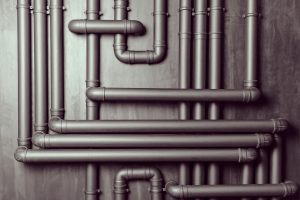
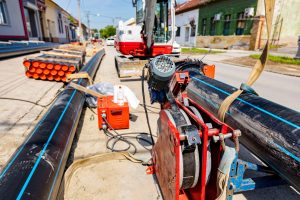
Winter brings cold weather and the serious problem of freezing pipes. When temperatures drop below 0°C, water inside your pipes can freeze, expand, and cause pipes to burst. Understanding why this happens can save you thousands of pounds in repairs.
Why Freezing Pipes Are Dangerous
Water freezes at 0°C. When pipes aren’t properly protected, the water inside turns to ice. This ice expands and puts enormous pressure on the pipe walls. Eventually, the pressure becomes too much and the pipe cracks open. When the ice melts, water floods out, damaging your home.
Insurance companies report that frozen or burst pipes cost homeowners around £7,500 on average. One burst pipe can release hundreds of litres of water, damaging floors, walls, furniture and electrics.
Pipes Most at Risk
Outdoor pipes like garden taps freeze quickly when exposed to cold weather. Loft pipes are vulnerable because these spaces aren’t heated. Garage and basement pipes stay colder than the rest of your home. Pipes in outside walls get no warmth from your heating system. Condensate pipes from boilers often run outside and freeze easily.
Warning Signs of a Frozen Pipe
Watch for these signs:
- No water from taps or just a tiny trickle
- Frost visible on exposed pipes
- Strange banging or gurgling noises
- Much lower water pressure than normal
- Your boiler stops working or shows errors
Temperature Risk Guide
| Temperature | Risk Level | Action Needed |
|---|---|---|
| Above 5°C | Very Low | No special action needed |
| 0°C to 5°C | Low to Moderate | Watch for extended cold spells |
| -1°C to -3°C | Moderate to High | Take preventative measures |
| -4°C to -6°C | High | Urgent action needed |
| Below -7°C | Very High | Check pipes frequently |
It’s not just the temperature but how long the cold lasts. Pipes can handle a few hours below freezing, but 24 hours or more creates real danger.
How to Protect Your Pipes
Insulate vulnerable pipes with foam tubes from DIY shops. Focus on lofts, garages and outside walls. Cover the entire length with no gaps.
Keep your home warm even when you’re out. Set your thermostat to at least 12°C throughout winter. If you’re going away, leave the heating on low or ask a neighbour to check your home.
Know your water supply stop tap location. It’s usually under the kitchen sink, but might be in a cupboard or garage. Find it now and test if it works. You’ll need to turn off the water quickly in an emergency.
Service your boiler annually. A well-maintained boiler handles cold weather better and ensures your heating works when you need it most.
Fix dripping taps. Slow drips can freeze in drains and cause problems. Always turn taps off fully.
What to Do If Pipes Freeze
If you suspect a frozen pipe, act quickly:
- Turn off the water at your stop tap immediately
- Open the affected tap to relieve pressure
- Thaw the frozen pipe slowly using hot water bottles or towels soaked in warm water
- Start at the tap end and work backwards
- Never use blowtorches, naked flames or heat guns
The Met Office provides helpful guidance on dealing with frozen or burst pipes safely.
Emergency: When a Pipe Bursts
If a pipe bursts, act fast:
- Turn off the water supply at the stop tap immediately
- Switch off the electricity at the mains if water is near the electrics
- Turn off your central heating and boiler
- Open all taps to drain the system
- Soak up water with towels to limit damage
- Call a qualified plumber straight away
- Contact your insurance company and photograph the damage
Professional Pipe Freezing Solutions
For businesses and complex pipe systems, professional pipe freezing services offer controlled solutions. This specialist technique uses liquid nitrogen to create temporary ice plugs, allowing repairs without draining entire systems.
Pipe freezing is particularly useful for industrial settings, large buildings, and situations where shutting down water systems would cause major disruption. The controlled process prevents the damaging expansion that causes burst pipes.
Prevention Checklist
- Insulate all exposed pipes
- Service your boiler annually
- Locate and test your stop tap
- Fix dripping taps before winter
- Keep heating on at a minimum 12°C
- Have a plumber’s contact details ready
- Arrange home checks if going away
Stay Protected This Winter
Frozen pipes are preventable with the right preparation. Simple steps like insulation, keeping your heating on, and knowing where to turn off the water make a huge difference. The small cost of prevention is nothing compared to dealing with burst pipes and water damage.
For expert advice on pipe problems, RDS Pipeline Isolation serves homes and businesses across the UK. With over 20 years of experience, we provide reliable, cost-effective solutions. Call us on 01277 500510 for help with any pipeline issue.