When pipes need repairs, shutting down the entire system can cost thousands and leave customers without service. That’s where line stopping comes in. This technique lets engineers fix sections of pipe whilst maintaining continuous flow through the rest of the system. But like any industrial work, these operations carry risks that need proper management.
Understanding the Process
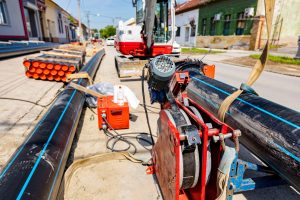
The line-stopping process isolates a section of live pipeline systems without stopping the flow completely. Engineers use a line stop machine with a line stop fitting to create a temporary seal. Think of it like plugging one part of a hosepipe whilst water keeps flowing elsewhere. This approach is essential for pipeline maintenance across the UK’s water, gas, and industrial pipe systems.
Key Line Stopping Risks
| Risk Type | Description | Potential Impact |
|---|---|---|
| High-Pressure Issues | Pressure surges can damage equipment | Worker injury, equipment failure, leaks |
| Equipment Failure | The line stop fitting might not seal properly | System contamination, loss of flow control |
| Human Error | Mistakes during the procedure | Accidents, pipeline damage |
| Contamination | Foreign materials entering during operations | Health risks, system blockages |
| Structural Problems | Weakened pipes can’t handle the process | Pipe bursts, dangerous releases |
Managing High Pressure
High pressure is the biggest challenge in these operations. Water mains operate at 3 to 10 bar, which is a substantial force. The procedure must account for this pressure to prevent accidents. Professional services calculate pressure carefully and use line-stopping equipment designed for specific conditions. Getting this wrong can cause the line stop machine to fail or damage the pipe itself.
Equipment and Technique Risks
Line-stopping techniques require specialised equipment. The line stop fitting must create a perfect seal whilst the system stays under pressure. If the equipment fails during operations, it can lead to leaks or contamination. That’s why hot tapping and line stopping work often go together, both requiring expert installation to maintain safe and effective operations.
Modern techniques have improved safety significantly. However, the process still needs experienced hands. The work involves precision on pressurised pipeline systems, leaving no room for error.
How Professionals Reduce Risk
Expert companies follow strict procedures that reduce the risk at every stage:
Planning: Assessing the pipeline’s age, condition, and pressure before starting the work
Quality Equipment: Using the right line-stopping equipment and line-stop fittings for each specific job
Trained Teams: Only experienced engineers who understand pipe systems should perform these operations
Safety Procedures: Following UK regulations from the Health and Safety Executive throughout the procedure
Testing: Checking all equipment before and during work to prevent accidents
This careful approach ensures safe and effective results whilst maintaining continuous flow through the rest of the system.
Why Experience Matters
This process isn’t something to learn on the job. Companies with over 20 years of experience understand how different materials react under high pressure. They know which line-stopping techniques work best for various pipeline systems and how to adapt when challenges arise.
Professional teams recognise when hot tapping and line stopping should be combined for pipeline maintenance. They understand how the line stop machine interacts with different pipe systems and can spot potential problems before they become dangerous.
The Cost of Poor Work
Cutting corners on these operations is extremely risky. A failed line-stopping procedure can cause:
- Worker injuries or public safety issues
- Major leaks affecting entire communities
- Environmental damage requiring extensive cleanup
- Huge costs from emergency repairs
- Reputation damage for your business
The small savings from using inexperienced contractors aren’t worth these consequences.
Choosing Your Contractor
When you need this work done, ask contractors about their experience with similar pipeline systems, their safety record, and the specific equipment they’ll use. Find out how they plan to manage high pressure and prevent accidents during the process.
A good contractor explains their techniques clearly and shows you how they’ll maintain safe and effective operations whilst keeping a continuous flow through your system.
Final Thoughts
Line stopping remains essential for pipeline maintenance without shutting down the entire system. The line-stopping risks are real but manageable with proper expertise. High pressure, equipment failure, and human error can all cause problems if the procedure isn’t handled correctly.
Success depends on using quality line-stopping equipment, following proven techniques, and working with professionals who understand pipeline systems. Whether you’re dealing with water mains or industrial pipe systems, the right approach reduces the risk and keeps your operations running.
At RDS Pipeline Isolation, we’ve mastered this process over two decades. We never compromise on safety during operations. From hot tapping and line stopping to complex pipeline maintenance across the UK, we deliver safe and effective solutions that prevent accidents and protect your system.