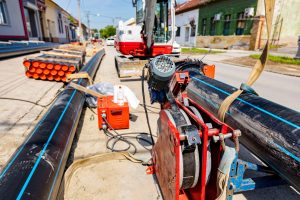
Have you ever wondered how engineers add new connections to a pipeline without turning everything off? The answer is pressure tapping, a clever technique that lets work happen while systems stay active.
This guide explains what pressure tapping is, how it works, and why so many UK industries rely on it.
What Is Pressure Tapping?
Pressure tapping is a method for drilling into a live pipeline while it remains under pressure. You might also hear it called “under pressure drilling” or hot tapping. The “pressure” part of the name is important because it describes exactly what makes this technique special.
Unlike traditional methods that require emptying and depressurising a system first, pressure tapping allows engineers to work on pipes that are still carrying fluids or gases. This means factories, hospitals, and other facilities can keep running normally during the work.
Why Is It Called “Pressure” Tapping?
The name comes from the fact that the pipeline stays pressurised throughout the entire process. In a normal repair or modification job, you would need to:
- Shut down the system
- Drain the pipeline
- Release the pressure
- Complete the work
- Refill and repressurise
- Restart operations
Pressure tapping skips most of these steps. The system maintains its normal operating pressure from start to finish. This is what makes the technique so valuable for continuous operations.
How Does Pressure Tapping Work?
The process uses specialised equipment to safely drill through a pipe wall while containing the contents inside. Here is how it typically works:
Step 1: Fitting attachment A fitting is welded or clamped onto the outside of the pipe at the point where the new connection is needed.
Step 2: Valve installation A valve is attached to this fitting. This valve will control access to the new opening once the drilling is complete.
Step 3: Drilling machine setup A special drilling machine is mounted on top of the valve. This machine creates a sealed chamber that keeps everything contained.
Step 4: The cut With the valve open, the drilling tool cuts through the pipe wall. The cut piece (called a coupon) is captured inside the machine.
Step 5: Tool removal The drill is withdrawn and the valve is closed. The new connection is ready for use.
Throughout this entire process, the pipeline contents never escape and the pressure remains steady.
Key Applications for Pressure Tapping
Pressure tapping serves many different industries across the UK. The table below shows common applications:
| Industry | Common Uses |
|---|---|
| Water utilities | Adding new supply connections, installing meters |
| Oil and gas | Creating branch lines, adding monitoring points |
| Manufacturing | Expanding systems, adding process connections |
| Healthcare | Connecting new equipment to steam or gas lines |
| Food processing | Extending pipework for new production areas |
| Chemical plants | Installing sampling points, adding safety systems |
Each of these industries benefits from the ability to make changes without stopping production.
Safety Measures for Pressurised Systems
Working on live pipelines requires strict safety procedures. According to the Health and Safety Executive’s guidance on pressure systems, any work on pressurised systems must follow careful planning and risk assessment.
Key safety measures for pressure tapping include:
Pressure and flow calculations confirm the system can handle the procedure safely. Engineers check pipe thickness, material condition, and operating parameters before starting.
Proper equipment inspection ensures all tools are in good working order. The drilling machine, valves, and fittings must all meet strict standards.
Trained operators carry out the work. Pressure tapping requires specific skills and experience that general engineers may not have.
Isolation planning with line stopping equipment ready as backup. If problems occur, the flow can be stopped quickly.
Pressure Tapping vs Traditional Shutdowns
The main advantage of pressure tapping is avoiding shutdowns. But there are other differences worth understanding:
| Factor | Pressure Tapping | Traditional Shutdown |
|---|---|---|
| System downtime | None | Hours to days |
| Product loss | None | May require draining |
| Revenue impact | Minimal | Can be significant |
| Planning time | Moderate | Extensive |
| Equipment needed | Specialist tools | Standard tools |
| Skill requirements | Specialised training | General engineering |
For many businesses, the ability to avoid downtime makes pressure tapping the clear choice despite the need for specialist equipment and trained operators.
When Pressure Tapping Works Best
Pressure tapping is ideal in situations where:
- Shutting down would cause significant disruption
- The system carries essential services like water or heating
- Production schedules cannot accommodate downtime
- Emergency repairs are needed quickly
- New connections must be added to existing infrastructure
It works on various pipe materials including steel, ductile iron, copper, and some plastics. The technique applies to pipes carrying water, steam, oil, gas, and many chemical products.
Industries That Rely on Continuous Operation
Some sectors simply cannot afford to stop operations. Hospitals need constant steam and medical gas supplies. Water companies must maintain supply to thousands of homes. Manufacturing plants may have products that spoil if production pauses.
For these industries, pressure tapping provides a way to maintain, modify, and expand pipeline systems without interrupting the services that people depend on.
You can see examples of how this works in practice by exploring real project case studies from completed jobs across the UK.
Getting Professional Help
Pressure tapping is not a DIY job. The equipment is expensive and the risks of getting it wrong are serious. Professional pipeline service companies have the training, tools, and experience to complete these jobs safely.
When choosing a contractor, look for:
- Experience with your specific pipe type and contents
- Proper insurance and safety certifications
- A track record of successful projects
- Availability for emergency callouts if needed
A good contractor will assess your situation, explain the options, and recommend the safest approach for your specific needs.
Summary
Pressure tapping is a valuable technique that allows new pipeline connections without system shutdowns. By drilling into pressurised pipes using specialised equipment, engineers can modify and expand infrastructure while operations continue normally.
The method requires proper planning, the right equipment, and trained operators. When done correctly, it offers significant benefits over traditional approaches that require emptying and depressurising systems.
For UK businesses that depend on continuous pipeline services, pressure tapping provides a practical solution for maintenance and expansion needs.