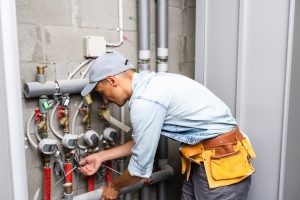
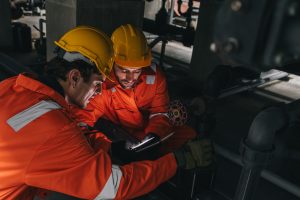
 Working on a pressurised water main is not a job for the unprepared. The pipe is live, the water inside is under constant pressure, and any mistake can mean a burst connection, a loss of supply, or a serious safety incident on site.
This is exactly why water utility teams, local authority engineers, and estate managers call in specialist hot tapping contractors when they need a new connection or branch without shutting down the main.
In this post, we walk through how a qualified contractor approaches this work from start to finish, including why pressure testing matters, how the branch saddle is fitted, and why supply never needs to be interrupted.
What Is Hot Tapping on a Water Main?
Hot tapping, also called under-pressure drilling or pressure tapping, is the process of making a new connection to a live pipe while it remains pressurised and in service. On water mains, this means the supply keeps flowing throughout the entire job.
The term “hot” does not refer to temperature. It simply means the pipe is live and under pressure at the time of work.
For water infrastructure, this technique is used when:
- A new service connection is needed from an existing distribution main
- A monitoring point or probe needs to be installed without a shutdown
- Emergency access to the network is required
- A bypass or branch is being added to a pressurised system
Why Not Just Shut the Main Down?
For some sites, a planned shutdown might seem like the simpler option. But on water mains serving hospitals, large housing estates, commercial districts, or industrial facilities, shutting down the supply causes real problems.
| Factor | Hot Tapping | Planned Shutdown |
|---|---|---|
| Supply interruption | None | Hours to days |
| Disruption to end users | None | Significant |
| Need to drain and refill main | No | Yes |
| Risk of contamination on refill | Low | Higher |
| Cost of temporary supply arrangements | None | Often required |
| Time on site | Typically a few hours | Can run to days |
| Suitable for live critical infrastructure | Yes | Sometimes not possible |
When continuous supply is essential, hot tapping is almost always the more practical and safer choice.
How a Hot Tapping Contractor Works Safely: Step by Step
1. Pre-Job Survey and Planning
Before any equipment arrives on site, a qualified contractor will carry out a thorough assessment of the pipe. This includes:
- Confirming the pipe material (cast iron, ductile iron, MDPE, steel, or another material)
- Checking the pipe diameter and wall thickness
- Identifying the operating pressure of the main
- Reviewing any records of the pipe’s age and condition
- Assessing the work area for access, ground conditions, and nearby services
This stage is critical. Fitting the wrong equipment to the wrong pipe material, or underestimating operating pressure, can lead to equipment failure or a loss of containment. Good contractors will not proceed without clear, verified information about the pipe they are working on.
2. Selecting the Right Equipment
Water utility pipework comes in many different materials and sizes. The equipment used for a 100mm ductile iron main will be different from that used on a 450mm steel transmission main.
A reputable contractor will select:
- A branch saddle rated for the pipe material and pressure
- A correctly sized isolation valve, rated at or above the operating pressure of the main
- A hot tapping machine matched to the intended bore size
All equipment should be pressure-rated and in good working order. The mechanical pipework expertise required here is significant, as each setup must be correctly matched to the specific job.
3. Fitting and Pressure Testing the Branch Saddle
The branch saddle is the fitting that clamps or bolts onto the outside of the main. It provides a secure, sealed mounting point for everything that follows.
Once the saddle is fitted, the contractor will carry out a pressure test before any drilling begins. This is a non-negotiable safety step. The test checks that:
- The saddle is sealed correctly against the pipe surface
- There are no leaks at any joint or connection point
- The assembly can safely withstand the operating pressure of the main
The Health and Safety Executive (HSE) sets out clear requirements for pressure testing under the Pressure Systems Safety Regulations 2000. Contractors working on water utility infrastructure are expected to follow these. You can read more about the HSE’s guidance on pressure systems at hse.gov.uk/pressure-systems/pssr.htm.
4. Fitting the Isolation Valve
Once the saddle has passed its pressure test, a full-bore isolation valve is fitted on top. This valve sits between the saddle and the hot tapping machine.
Its purpose is to allow the hot tapping machine to be safely removed after drilling, while keeping the new connection sealed and under control. The valve must be rated for the full pressure of the main.
5. Mounting and Commissioning the Hot Tapping Machine
The hot tapping machine is fitted to the top of the isolation valve. Before drilling begins, the machine itself is pressure tested to confirm the entire assembly is sealed and ready.
The machine contains a drill bit and cutter sized to produce the required bore. A pilot drill centres the cutter and guides it through the pipe wall cleanly.
6. Drilling Through the Pipe Wall
With everything sealed and pressure-tested, the contractor begins the drilling process. The cutter advances through the valve and into the pipe wall. Throughout this process:
- The main remains fully pressurised and water continues to flow
- The cut section of the pipe wall (called the coupon) is captured inside the cutter head
- No water escapes from the main, as the valve and machine form a sealed chamber around the work area
This is the point where the contractor’s skill and equipment quality really matter. The rate of advance, the condition of the cutter, and the integrity of the valve seals all have to be right.
7. Retracting the Machine and Closing the Valve
Once the bore is made, the contractor retracts the drill and cutter back through the valve. The coupon stays captured within the machine. The isolation valve is then closed, which seals the new branch connection.
The hot tapping machine is now safely removed. The valve remains in place as a permanent part of the new connection.
8. Final Checks and Handover
Before leaving site, the contractor will:
- Inspect all external joints and fittings for any sign of weeping or leakage
- Confirm the valve operates correctly
- Record the work carried out, including pipe details, equipment used, and test results
- Provide a completion record to the client
Throughout the job, the water main has remained in service. No supply has been lost and no end users have been affected.
What Makes a Contractor Safe to Use on Water Mains?
Not every contractor who offers hot tapping is experienced on water utility pipework. The pressures involved, the pipe materials used, and the regulatory context all demand a specific level of expertise.
When assessing a contractor, it is worth asking:
- Do they have experience with the specific pipe material on your network?
- Can they demonstrate pressure test records from previous similar jobs?
- Is their equipment correctly rated for your operating pressure?
- Do they carry appropriate liability insurance for utility work?
- Can they provide a risk assessment and method statement for the job?
At RDS Pipeline, we have more than 20 years of experience carrying out hot tapping on a wide range of pipework, including water utility infrastructure. Our team works to all relevant health and safety requirements and keeps clients informed at every stage of the job.
You can find examples of our previous work in our case studies.
Talk to RDS Pipeline
If you are a water utility engineer, local authority asset manager, or facilities team looking for a specialist hot tapping contractor, we can help. We operate nationally and are experienced in working on pressurised mains with minimal disruption.
Call us on 01277 500510 or use our quick quote form to get in touch.