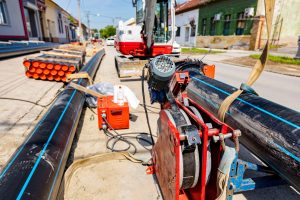
When you need to make changes to an existing pipeline that’s in use, you might think you have to shut everything down. The good news? There are cost-effective methods that let you work on a live pipeline whilst it stays operational.
What is Hot Tapping?
Hot tapping, also known as pressure tapping, is a technique for creating a branch connection to a live pipeline. The tapping process involves drilling into the pipe or tank whilst it remains under pressure and flowing.
A hot tap machine creates a safe seal around the drilling area. This tapping procedure allows engineers to make a connection to existing systems without any leaks. Hot tapping services work with various pipeline materials, including steel, iron, plastic, and copper.
Live tapping is brilliant because the system never stops. Businesses avoid downtime costs, and people who rely on the service aren’t affected. The tapping involves specialist equipment and trained engineers who understand different operating conditions.
What is Cold Tapping?
Cold tapping procedures work differently. Instead of drilling into a pressurised section of pipe, this method creates a temporary ice plug inside the pipeline. Special freezing equipment attaches to the outside and freezes the liquid inside solid.
This ice plug acts like a temporary valve. Engineers can then safely work on the other side without draining the entire system. It’s a cost-effective solution for repairs and modifications. Once finished, the ice melts naturally and normal flow returns.
The Health and Safety Executive provides important guidance on working safely with pressure systems like pipes and equipment.
Key Differences
| Feature | Hot Tapping | Cold Tapping |
|---|---|---|
| Method | Drills into a pressurised pipe with tapping machines | Freezes liquid to create an ice plug |
| Pipe Status | Under pressure and flowing | Temporarily blocked by ice |
| Main Use | Adding new branch connections | Repairs and modifications |
| Equipment | Hot tap machine and drilling tools | Freezing jackets and refrigeration |
| Pipeline Materials | Works with most metals and plastics | Only freezable liquids |
| Downtime | Zero | Minimal |
Choosing the Right Method
Choose hot tapping when you need to:
- Add a new connection to an existing pipeline
- Keep the system running at full pressure
- Work with gases or non-freezable liquids
- Install permanent valves or branches
Choose cold tapping when you need to:
- Make repairs to a specific section of pipe
- Work on water or other freezable liquids
- Create a temporary isolation point
- Carry out quick maintenance
Why Choose Professional Services?
Both the tapping process and cold tapping procedures require specialist knowledge. Working with live tapping systems can be dangerous without proper training. Professional services pipeline experts understand different pipeline materials, operating conditions, and safety requirements.
At RDS Pipeline Isolation, we offer comprehensive tapping services across the UK. Our team has over 20 years of experience with tapping machines and cold tapping procedures. We also provide line stopping solutions for complete isolation when needed.
We work with all types of pipeline materials and can handle both domestic and industrial projects. Our cost-effective approach means you get expert service without unnecessary expense.
Get Expert Help Today
Hot tapping and cold tapping are both clever solutions for working on live pipelines. Hot tapping creates new connections using specialist tapping machines, whilst cold tapping uses freezing for repairs. Understanding which tapping procedure suits your project helps you plan effectively.
Whether you need a branch connection added or repairs to an existing pipeline, these techniques keep disruption minimal. Need help with your pipeline project? Contact RDS Pipeline Isolation on 01277 500510 for expert advice on the best solution for your needs.