
What Makes a Great Hot Tapping Contractor?

Choosing a hot tapping contractor isn’t like picking someone to mow your lawn. When you’re dealing with live pipelines under pressure, the difference between a great contractor and an average one could mean the difference between a smooth, safe job and a costly disaster. So what should you actually look for when selecting a hot […]
What Is Hot Tapping?

If you need to modify or repair a pipeline, you’d normally shut down the entire system, drain it, do the work, then refill and restart everything. That process costs time and money—sometimes tens of thousands of pounds in lost production. Hot tapping offers a better solution. This technique lets engineers work on pressurised pipelines without […]
What Is Line Stoppage? Pipeline Repairs Without Shutdowns

Ever wondered how engineers repair water pipes without turning off your supply? The answer is line stopping. This clever technique lets them fix pipelines whilst they’re still in use. Line stopping is a method that isolates part of a live pipeline for repairs or maintenance. The entire system stays running. Think of it as putting […]
Hot Tapping vs. Line Stopping: Which Pipeline Isolation Method Is Right for You?
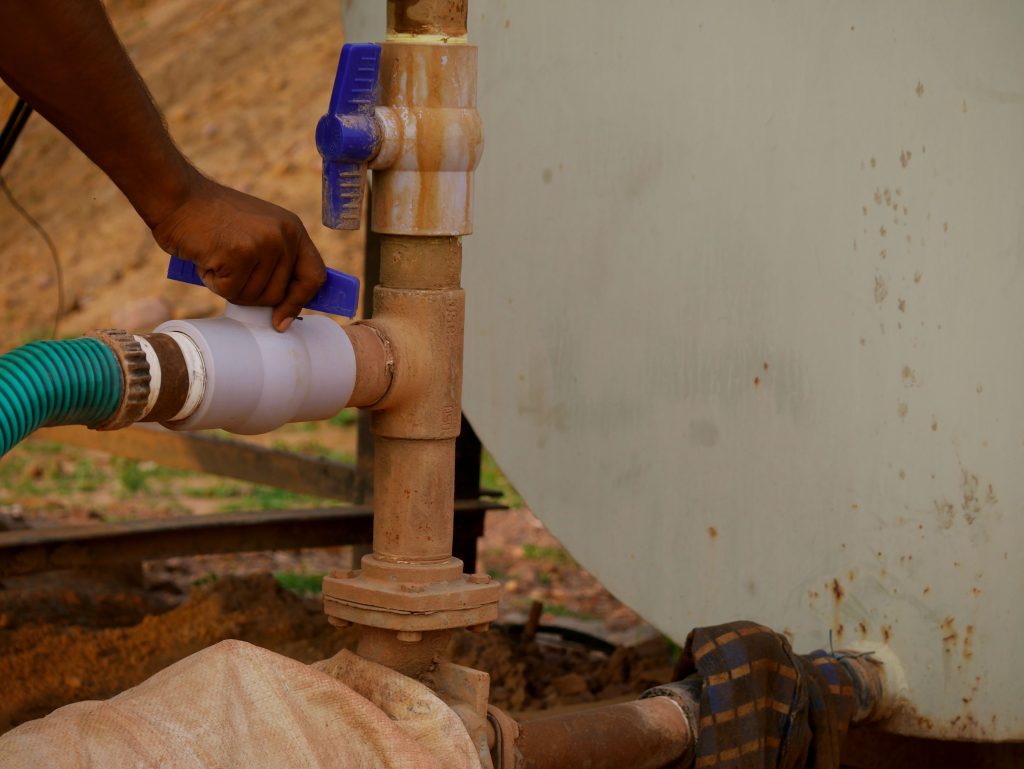
When you need to modify or repair a pipeline, shutting down the entire system can be extremely expensive and disruptive. Fortunately, there are two better alternatives: hot tapping and line stopping. Both techniques let you work on pressurised systems without full shutdown. However, they serve different purposes and work best in different situations. What […]
What Are the Advantages of Pipe Freezing for Emergency Repairs?
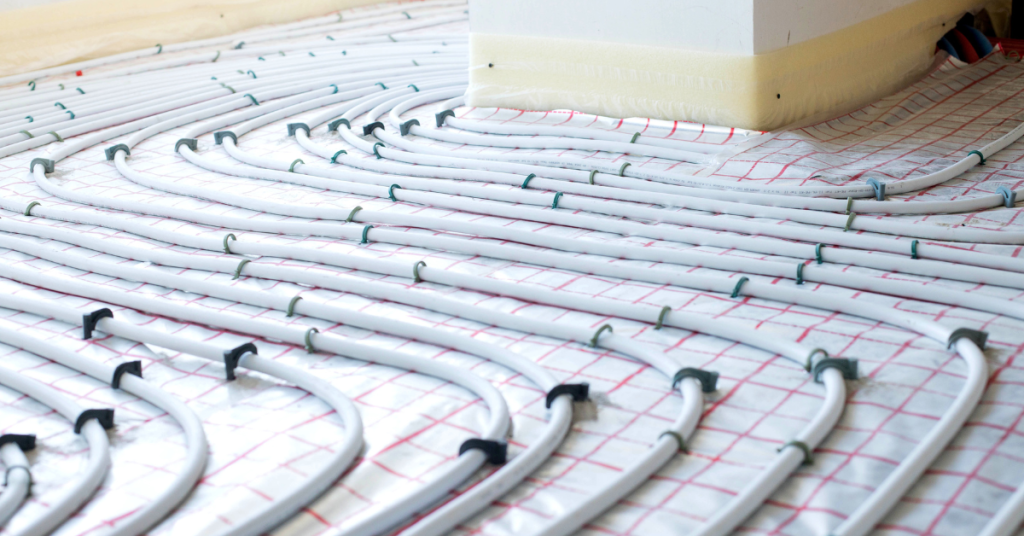
When a pipe fails unexpectedly, every minute counts. Water escaping under pressure can cause extensive damage, disrupt operations, and create safety hazards. The traditional response—locating isolation valves, shutting down sections of the system, draining pipework—takes time that you may not have. This is where pipe freezing offers a compelling alternative: a rapid, non-invasive technique that […]
What Are the Key Benefits of Hot Tapping for Industrial Pipelines?
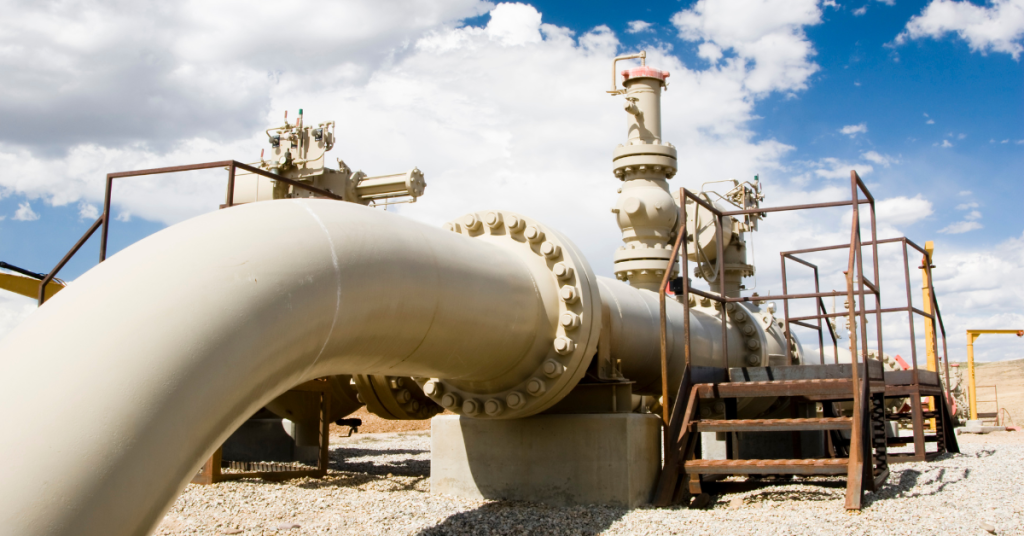
Industrial pipelines are the arteries of modern manufacturing, processing, and distribution. They carry everything from raw materials to finished products, often operating continuously to meet production demands and contractual obligations. When these critical systems require modification, maintenance, or expansion, the stakes are high—and the traditional approach of shutting down for access is frequently unacceptable. Hot […]
Why Choose Hot Tapping Over Traditional Pipeline Modification Methods?

When a pipeline requires modification—whether to add a new connection, install monitoring equipment, or create an isolation point—there are fundamentally two approaches available. The traditional method involves shutting down the system, depressurising it, draining the contents, and then carrying out the work on an empty, inactive pipe. The alternative is hot tapping: performing the modification […]
Is Your Water Pipe Broken? Discover the 5 Key Signs

A broken water pipe isn’t always obvious. While a dramatic burst that floods your property demands immediate attention, many pipe failures develop gradually, causing damage long before the problem becomes apparent. The earlier you identify the warning signs, the sooner you can act—and the less costly the repair is likely to be. Whether you’re responsible […]
The Problem of Freezing Pipes During the Winter?

Winter brings cold weather and the serious problem of freezing pipes. When temperatures drop below 0°C, water inside your pipes can freeze, expand, and cause pipes to burst. Understanding why this happens can save you thousands of pounds in repairs. Why Freezing Pipes Are Dangerous Water freezes at 0°C. When pipes aren’t properly protected, […]
How Does Hot Tapping A Pipe Work?
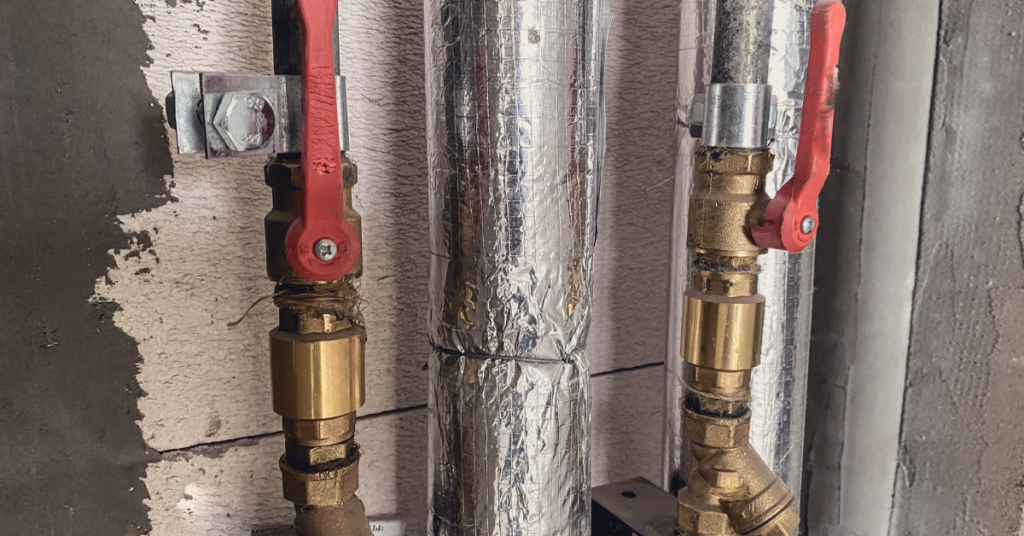
Have you ever wondered how engineers can add new connections to water pipes, gas lines, or heating systems without turning them off? The answer is a clever technique called hot tapping. This process lets workers safely drill into pipes that are still carrying fluids under pressure, making it possible to add new branches or connections […]