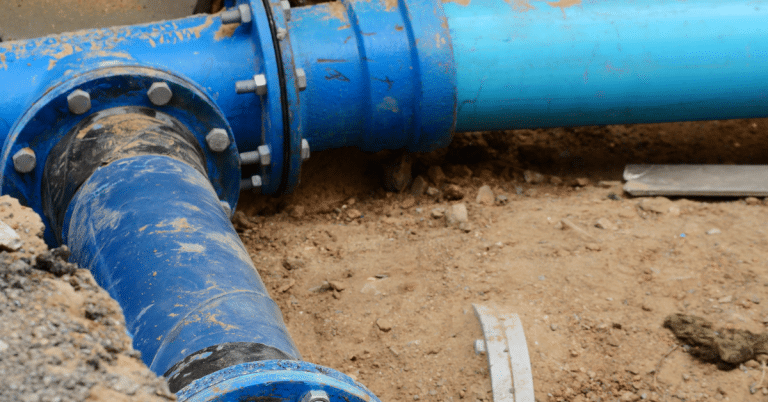
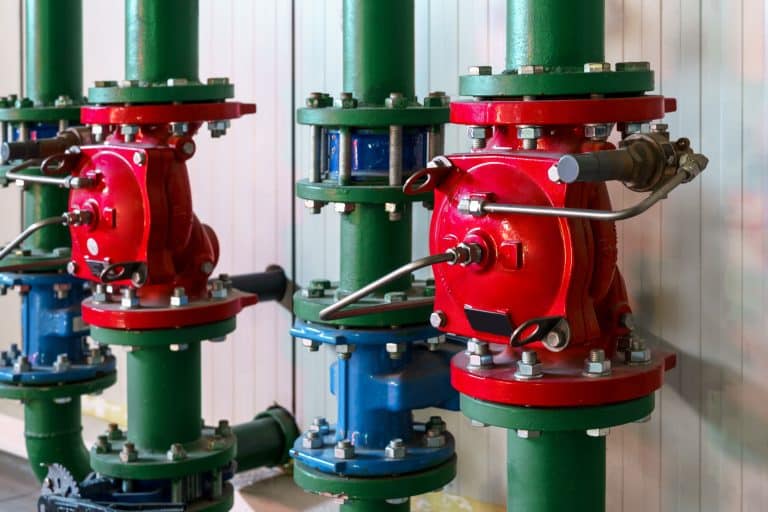
 If a pipe needs fixing but you cannot drain the system or turn off the supply, pipework freezing is often the answer. This guide explains what it is, when it works best, and how it compares to simply draining down.
What Is Pipework Freezing?
Pipework freezing is a way of blocking off a section of pipe temporarily, without shutting down the whole system. A technician wraps specialist freezing jackets around the pipe and uses liquid nitrogen or carbon dioxide to freeze the liquid inside. This creates a solid ice plug, known as a pipe freeze plug, that stops the flow in that one section.
Once the repair is done, the plug thaws on its own and the system carries on as normal.
Our pipe freezing services cover domestic, commercial, and industrial pipework across the UK.
What Pipes Does It Work On?
Pipework freezing works well on metal pipes, including copper, carbon steel, and stainless steel. It is most reliable on pipes between roughly 15mm and 200mm in diameter.
Plastic pipes, such as PVC, are not suitable. They can crack at freezing temperatures. Water-based systems are the easiest to freeze. If the pipe carries something thicker or more viscous, a specialist will need to assess it first.
Pipework Freezing vs Draining the System
| Pipework Freezing | Draining the System | |
|---|---|---|
| System stays live during repair | Yes | No |
| Setup time | Hours | Can be much longer |
| Risk of fluid contamination | Low | Higher in some systems |
| Works on hazardous fluids | Yes, in many cases | Fluid must be safely disposed of |
| Needs supply isolation | No | Usually yes |
When Should You Use It?
When the system cannot be shut down
This is the most common reason. Hospitals, food production sites, and busy commercial buildings often cannot afford to lose water or utilities, even for a short time. Pipework freezing lets engineers work on one section while the rest of the system keeps running.
When draining would take too long
Draining a large system is time-consuming and can cause problems when refilling, especially with systems that need flushing or chemical treatment. For a localised repair, pipework freezing is much faster and simpler.
When the fluid is hazardous
If the system carries a toxic or expensive fluid, draining it creates a disposal problem. With a pipe freeze plug, only the small section being worked on is isolated. The rest of the fluid stays safely in the pipe.
When there is no valve in the right place
Many older buildings have pipework with no isolation valve close to where the work needs to happen. Rather than fitting a new valve before repairs can even start, pipework freezing creates a temporary isolation point on the spot.
For emergency repairs without shutdown
When an unexpected fault appears, speed matters. Pipework freezing can be set up quickly to isolate the problem area so repairs can begin straight away, without a full system shutdown.
If you need a longer-term or permanent isolation instead, line stopping is worth considering. It uses a mechanical plug that can hold indefinitely and handle higher pressures.
What It Is Not Designed For
Pipework freezing is a temporary solution. The plug will thaw, so it is not a substitute for a permanent fix. It also needs stable conditions. A pipe that is vibrating heavily, or a site that is very warm, can make it harder to maintain a reliable freeze.
Always use a qualified contractor. The Health and Safety Executive’s guidance on the safe isolation of plant and equipment is clear that isolation work must be carried out by competent people using the right methods.
Not Sure Which Method You Need?
RDS Pipeline has over 20 years of experience in pipeline isolation. We work with facility managers, property owners, and industrial clients across the UK.
If you are not sure whether pipework freezing suits your situation, get in touch and we will help you work it out.