 A lot of facility managers assume that hot tapping is only practical in open, easy-to-reach spaces. Somewhere flat, well-lit, with room to move. But that is not the reality of most pipeline work in the UK.
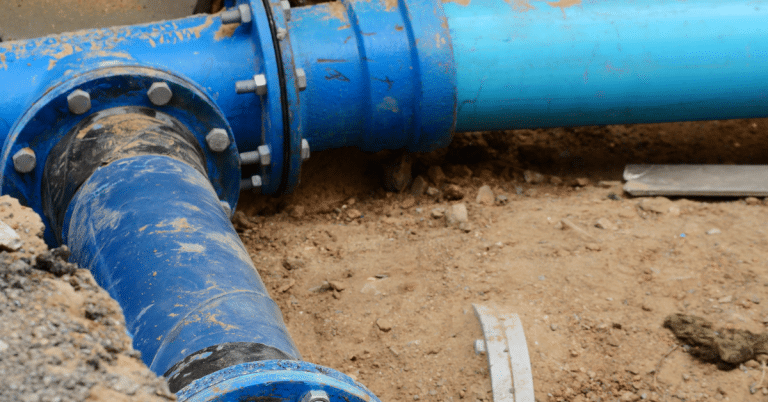
Pipelines run through underground vaults, cramped plant rooms, across remote farmland, and beneath city streets. The question is not whether the site is difficult. It is whether your contractor has the experience and equipment to handle it safely.
Here is how professional hot tapping companies approach the most challenging access conditions.
What Makes a Site “Difficult Access”?
Not all hard-to-reach sites look the same. A difficult access site is any location where standard methods of reaching, setting up, and operating equipment become restricted or hazardous.
Common examples include:
- Underground service vaults and manholes
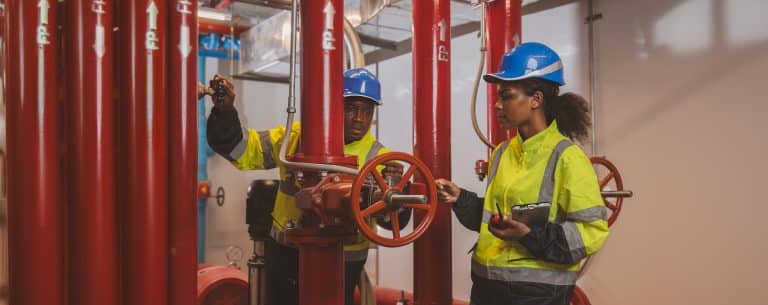
- Narrow plant rooms inside hospitals, shopping centres, or industrial buildings
- Rural or agricultural land without road access
- Pipelines running beneath live roadways or rail lines
- Sites with overhead restrictions or low clearance
- Offshore or waterside environments
Each of these comes with its own set of challenges. But none of them make hot tapping impossible for an experienced team.
Step One: The Pre-Job Survey
Before any work begins, a competent contractor will carry out a detailed site survey. This is one of the most important stages of any job, but it is especially critical on difficult access sites.
The survey covers:
- How to physically access the pipeline
- Whether specialist lifting or lowering equipment is needed
- The condition of the surrounding area (ground stability, overhead hazards)
- What gas, fume, or oxygen risks may be present in enclosed spaces
- How to safely exit in an emergency
Without this stage, contractors are guessing. A thorough survey means the team arrives prepared, with the right equipment and a clear plan of action.
Working in Confined Spaces
A large proportion of difficult access pipeline work takes place in confined spaces. These are enclosed or mostly enclosed areas where there is a risk of harm from fumes, low oxygen, or restricted movement.
The Health and Safety Executive defines these environments and explains the legal requirements for working safely within them. You can read more on the HSE’s introduction to working in confined spaces.
For hot tapping companies, confined space work requires:
- A valid confined space risk assessment before entry
- Trained operatives with confined space certification
- Gas monitoring equipment to detect dangerous atmospheres
- A rescue plan in place before any person enters
- Communication systems between those inside and outside the space
At RDS Pipeline, our team is trained and equipped to carry out live pipeline work in confined spaces. We follow all relevant regulations and never cut corners on safety planning.
Specialist Equipment for Tight Spaces
Standard hot tapping equipment is built for open environments. In tight spaces, you need machinery that can be stripped down, lowered in sections, and reassembled underground or within restricted areas.
Experienced contractors keep a range of compact and modular equipment specifically for these conditions. This includes:
Challenge |
Specialist Solution |
|---|---|
Low clearance overhead |
Short-deck tapping machines with reduced vertical height |
Narrow entry points |
Equipment designed to be disassembled and passed through small openings |
No vehicle access |
Hand-portable machinery for remote or rural sites |
Underground vaults |
Lowering rigs and secure rigging systems |
Wet or flooded areas |
Waterproof-rated equipment and pumping systems |
Having this equipment is not enough on its own. Knowing how to use it efficiently in constrained conditions comes from years of practical experience across a wide variety of sites.
No-Dig and Under-Pressure Solutions
One of the key reasons facility managers choose hot tapping on difficult access sites is that it removes the need for major excavation. There is no requirement to dig up a road, expose a long section of pipe, or drain the system.
Under-pressure drilling allows a new connection to be made directly onto the live pipeline. The pipe keeps flowing. The service keeps running. And the footprint of the job stays small.
This matters especially on sites with restricted space. A traditional shutdown and repair would require a much larger working area and a far longer period of disruption. A no-dig pipeline solution keeps things contained and minimises impact on the surrounding area.
Planning for Emergency and Remote Sites
Remote rural pipelines present a different kind of challenge. There is no local supply chain to call on, response times for additional equipment are longer, and conditions underfoot can be unpredictable.
Professional hot tapping companies plan for this by:
- Completing a full site recce before mobilising the main team
- Bringing all required tools and materials in a single mobilisation
- Preparing contingency plans in case conditions change on the day
- Maintaining clear communication with the client throughout
Planning is everything on remote jobs. A well-prepared team with 20+ years of experience will have dealt with similar sites before. They know what can go wrong and they plan to prevent it.
Why Experience Matters More Than Price
When a pipeline is live and under pressure, the stakes are high. Cutting costs on difficult access work is a false economy.
An inexperienced contractor may be able to carry out hot tapping on a straightforward site. But confined spaces, remote locations, and complex environments expose the gaps in knowledge and planning very quickly.
Choosing a contractor with a strong track record on challenging sites means:
- Fewer delays caused by unexpected problems
- Safer working conditions for all involved
- A job completed correctly the first time
- Compliance with all relevant health and safety legislation
You can see examples of the kind of work we have completed for clients across the UK in our case studies.
Get in Touch for a Site Assessment
If you have a pipeline that needs work and you are not sure whether access will be a problem, talk to us. We carry out site assessments and can advise on the best approach before any work is planned or priced.
With over 20 years of experience in live pipeline work across a wide range of environments, RDS Pipeline has the skills, equipment, and planning process to handle difficult access sites safely and efficiently.
Contact RDS Pipeline today to discuss your project. Call us on 01277 500510.