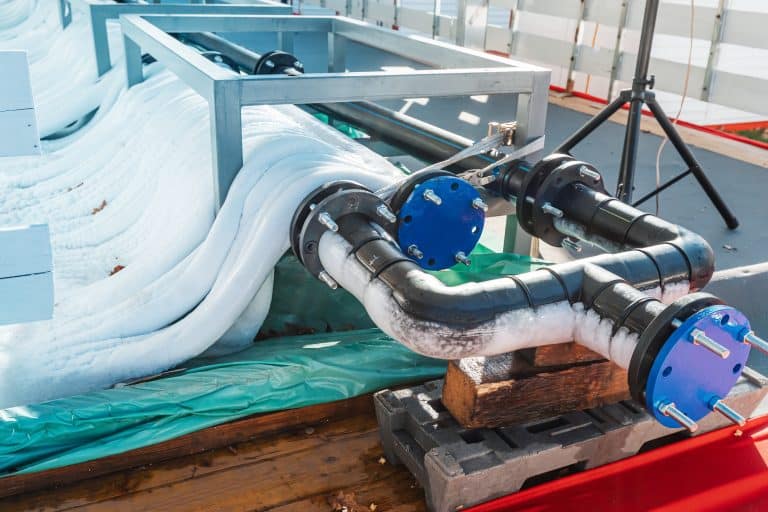
When you need to repair or modify a pipeline, you often cannot simply shut down the entire system. That is where isolation methods come in. Two of the most common techniques are linestop and pipe freezing. Both allow engineers to work on sections of pipe without draining the whole system, but they work in very different ways.
Choosing the right method can save you time, money, and hassle. This guide breaks down both options so you can make the best decision for your situation.
What Is a Linestop?
A linestop is a mechanical device that creates a temporary barrier inside a pipe to stop the flow of liquid or gas. The process involves installing a fitting onto the pipe (usually through hot tapping), then inserting a stopper head that expands to block the flow.
The line stopping method works on pipes of many sizes and can handle high pressures. Once the repair work is finished, the stopper is removed and the fitting is capped, leaving the pipe ready for normal operation.
What Is Pipe Freezing?
Pipe freezing uses liquid nitrogen or carbon dioxide to freeze the contents of a pipe, creating an ice plug that blocks the flow. This frozen section acts as a temporary dam, allowing work to be carried out downstream.
The technique is particularly useful for smaller pipes and water-based systems. Once the work is complete, the ice plug is allowed to thaw naturally, restoring normal flow.
Quick Comparison Table
| Feature | Linestop | Pipe Freezing |
|---|---|---|
| Best pipe sizes | Medium to large (50mm and above) | Small to medium (up to 300mm typically) |
| Pipe materials | Steel, ductile iron, most metals | Copper, steel, plastic, most materials |
| Contents that work | Water, oil, gas, chemicals | Water and water-based liquids |
| Pressure capability | High pressure systems | Low to medium pressure |
| Setup time | Longer (requires hot tap first) | Faster for small pipes |
| Equipment needed | Hot tapping machine, linestop head | Freezing jacket, nitrogen supply |
| Cost for small jobs | Higher | Lower |
| Cost for large jobs | More economical | Less practical |
| Reusable access point | Yes (fitting remains) | No permanent modification |
When to Choose Linestop
Linestop is often the better choice when you need to work on larger pipelines or high-pressure systems. Here are the main situations where this method excels:
Large diameter pipes are easier to isolate with a linestop because freezing becomes impractical above certain sizes. The larger the pipe, the longer it takes to freeze and the more equipment you need.
High-pressure systems benefit from the mechanical strength of a linestop device. The stopper head is designed to withstand significant pressure, making it safer for demanding applications.
Oil, gas, or chemical pipelines require linestop because you cannot freeze these contents in the same way as water. The mechanical barrier works regardless of what flows through the pipe.
Longer work windows are possible with linestop. Once installed, the isolation can remain in place for extended periods without any ongoing energy input or monitoring.
Future access requirements make linestop worthwhile because the fitting stays on the pipe. If you need to isolate the same section again later, the access point is already there.
When to Choose Pipe Freezing
Pipe freezing shines in situations where speed, simplicity, and minimal pipe modification matter most:
Small pipes are quick and easy to freeze. A 15mm copper pipe might freeze in just 10 to 15 minutes, making this method highly efficient for domestic and light commercial work.
Water systems are ideal because the water itself creates the ice plug. This makes pipe freezing perfect for plumbing repairs, heating systems, and chilled water circuits.
No permanent modification is left behind after pipe freezing. If you want to avoid adding fittings or altering the pipe structure, this method leaves no trace once complete.
Tight spaces are often easier to work in with pipe freezing equipment, which tends to be more compact than hot tapping and linestop machinery.
Quick jobs benefit from the faster setup time. For straightforward repairs that will only take an hour or two, pipe freezing gets you working sooner.
Important Safety Considerations
Both methods require trained professionals to carry out safely. The Pipelines Safety Regulations 1996 set out legal requirements for pipeline work in the UK, including proper design, construction, and maintenance standards.
With linestop, the main safety concerns involve the hot tapping process and working with pressurised systems. Trained operatives use specialised equipment to manage these risks.
Pipe freezing requires careful handling of cryogenic materials like liquid nitrogen. The extremely low temperatures can cause cold burns if proper protective equipment is not used.
Making Your Decision
The right choice depends on your specific situation. Ask yourself these questions:
What is in the pipe? If it is water, either method could work. If it is oil, gas, or chemicals, linestop is your answer.
How big is the pipe? For pipes under 150mm carrying water, pipe freezing is often simpler. For larger pipes, linestop becomes more practical.
How long will the work take? Quick repairs suit pipe freezing. Extended projects work better with linestop.
Will you need access again? If future work is likely, the permanent fitting from linestop saves time later.
What is your budget? For one-off small repairs, pipe freezing is usually cheaper. For larger or repeated work, linestop offers better value.
Get Expert Advice
Every pipeline project is different. The best way to choose between linestop and pipe freezing is to speak with specialists who can assess your specific needs.
RDS Pipeline has over 20 years of experience in both techniques. Our team can visit your site, evaluate the pipeline, and recommend the most effective solution. View our case studies to see examples of successful projects using both methods.
Whether you need a quick freeze for a small repair or a full linestop installation for a major modification, the right isolation method keeps your operations running smoothly while the work gets done safely.